UPS Accelerates Transformation: 30,000 Operational Jobs to Go in 2026 as Amazon Volume Continues Sharp Decline
Published Date: 29th Jan, 2026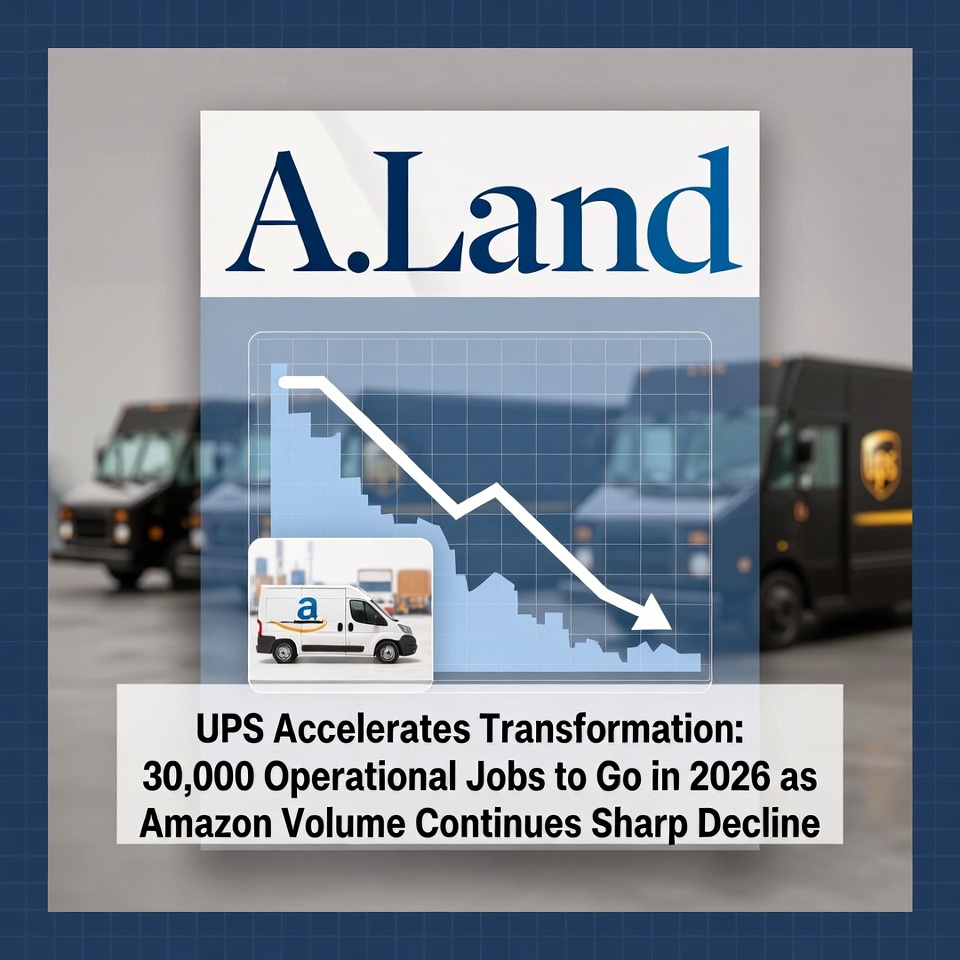
January 29, 2026
United Parcel Service revealed ambitious cost-cutting plans during its latest earnings call, confirming it will reduce up to 30,000 operational positions throughout 2026 through natural attrition and voluntary buyout programs, while pushing forward with the strategic unwinding of low-margin Amazon deliveries.
No Forced Layoffs, But Significant Headcount Reduction Planned
CEO Carol Tomé emphasized during the January 28 earnings discussion that UPS expects no involuntary layoffs in 2026. Instead, the company will rely on normal employee turnover, retirements, and targeted voluntary separation incentives, particularly for drivers and facility workers. The projected reduction matches the scale of operational cuts already achieved in 2025, when UPS trimmed approximately 48,000 positions overall.
The move forms part of a deliberate network reconfiguration aimed at improving profitability by focusing on higher-yield business segments and reducing exposure to Amazon's volume, which has historically carried lower margins.
Final Phase of Amazon Volume Reduction
Tomé described 2026 as the concluding stage of an accelerated glide path away from Amazon shipments. The company plans to cut another one million Amazon pieces per day next year, following substantial reductions already implemented. This shift has required closing or consolidating facilities, with 24 sites scheduled for shutdown in the first half of 2026 and potential additional closures later in the year.
The Amazon unwind is expected to generate roughly $3 billion in annualized cost savings, helping offset volume declines and support margin expansion in core parcel and supply chain segments.
Strong Financial Performance Underpins Strategy
Despite the ongoing volume challenges from the Amazon transition, UPS delivered better-than-expected fourth-quarter results, beating Wall Street estimates on both revenue and earnings per share. The company highlighted progress in premium services, international operations, and healthcare logistics as key growth drivers compensating for the domestic parcel softness.
Shares rose in after-hours trading following the announcement, reflecting investor confidence in management's ability to navigate the structural changes while maintaining shareholder returns through dividends and buybacks.
Worker Impact and Union Dynamics
The planned reductions primarily affect union-represented drivers, package handlers, and sortation employees. UPS has committed to working closely with the Teamsters union on voluntary programs and transition support. Union leaders have previously expressed concerns about workload increases for remaining staff and the pace of facility consolidations, though no immediate strike threats have emerged.
For affected employees, the voluntary nature of most exits offers severance packages, continued health benefits, and outplacement assistance, though some workers may face relocation or role changes as the network shrinks.
Industry-Wide Context
The UPS announcement aligns with broader efficiency drives across the logistics sector, where companies are investing heavily in automation, route optimization, and artificial intelligence to offset rising labor and fuel costs. Amazon's own recent corporate layoffs and warehouse automation push underscore similar pressures in e-commerce fulfillment.
As UPS reshapes its operation for a post-Amazon era, the 30,000 job reduction target signals confidence that higher-margin business will offset volume losses. The strategy carries risks if economic conditions soften or if competitors capture displaced volume, but early indicators suggest the pivot is gaining traction.
With the transformation entering its final phase, 2026 will test UPS's ability to execute a leaner, more profitable model while preserving service quality and employee relations in an intensely competitive industry.
Date: 29th Jan, 2026