U.S. Canada Tariff Threat Escalates Trade Tensions
Published Date: 24th Jan, 2026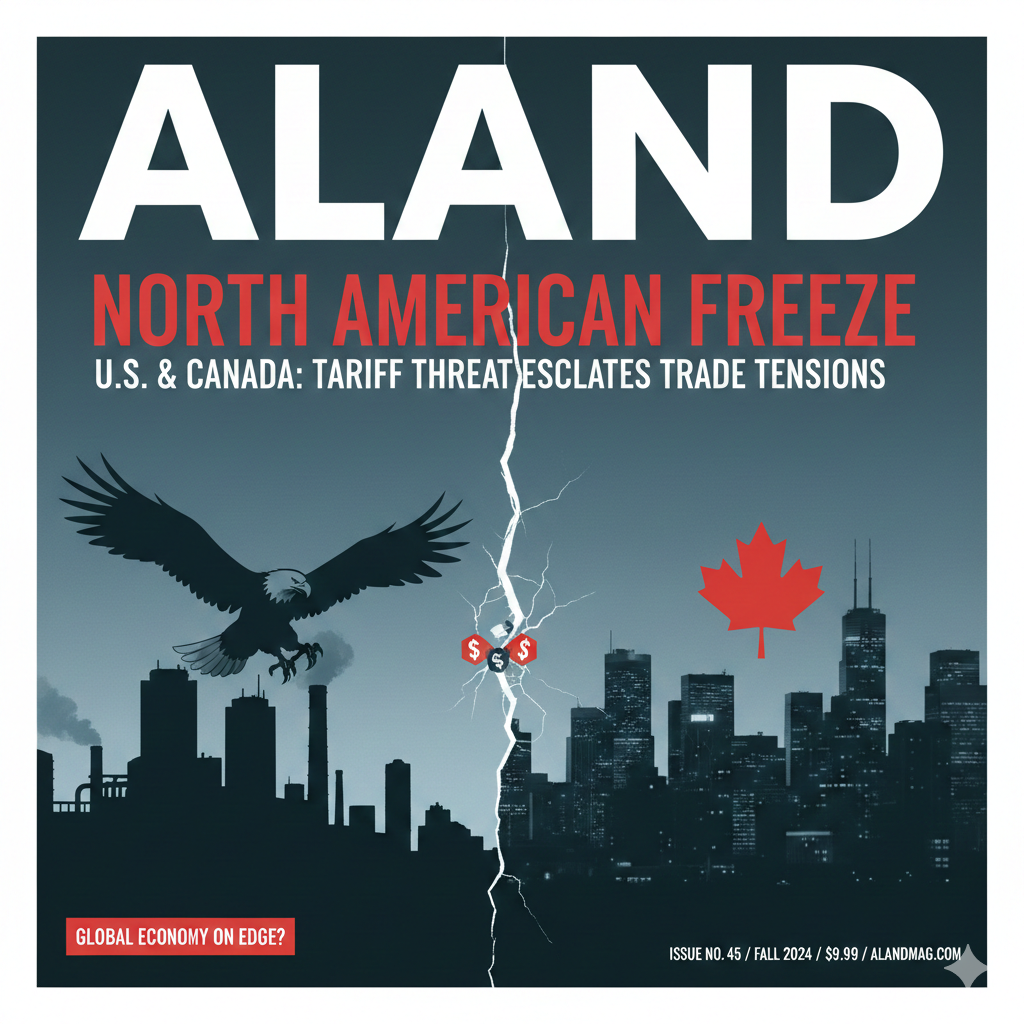
A High Stakes Warning
Tensions between the United States and Canada reached a new peak this week when the U.S. president threatened to impose a 100 percent tariff on Canadian goods if the country moves forward with a trade agreement involving China. The warning was delivered publicly and has sent shockwaves through governments and businesses across North America. Officials in both countries now face intense pressure to manage the crisis before it disrupts commerce and consumer confidence.
Economic Implications Are Severe
If implemented, the tariffs would cover all imports from Canada to the United States, affecting energy, manufacturing, agriculture, and raw materials. Canada is a critical supplier of metals, energy, and food products to the U.S. economy, and businesses warn that a sudden escalation could trigger widespread supply chain disruptions. Markets on both sides of the border are already reacting with increased volatility as companies assess potential losses and adjust investment plans.
Political Friction Intensifies
The tariff threat reflects growing friction between the U.S. president and Canada’s leadership. Longstanding cooperation on trade and security now faces a new layer of uncertainty. Canadian officials have emphasized their sovereign right to negotiate global trade agreements, while the United States insists that closer economic ties between Canada and China could undermine American interests. Public statements from both governments have highlighted disagreement rather than compromise.
Impact on Citizens and Businesses
Businesses in Canada express concern that even the threat of a tariff could delay production, raise costs, and reduce consumer confidence. Ordinary citizens on both sides of the border are anxious about the potential economic fallout, particularly in industries dependent on cross-border trade. Workers in manufacturing, agriculture, and energy sectors are watching closely as leaders negotiate solutions that could affect employment and household finances.
Broader Trade Environment
This escalation comes amid a period of rising protectionist measures from the United States, including increased tariffs on metals and industrial products. Experts warn that the use of punitive tariffs against close allies could weaken economic growth, raise consumer prices, and trigger retaliatory measures. The situation underscores how global trade is becoming a high-stakes arena where diplomatic tensions have immediate economic consequences.
Diplomatic Maneuvering Under Way
In response to the threat, Canadian officials are engaging in intensive diplomatic discussions to prevent the tariffs from being applied. Negotiators from both governments are exploring ways to address U.S. concerns while preserving Canada’s right to diversify trade relationships. The outcome will have far-reaching effects on trade flows, investment decisions, and economic stability across North America.
A Relationship in Flux
The U.S. Canada economic relationship has long been characterized by integration and cooperation. The tariff threat challenges that dynamic and raises questions about the future of trade agreements and diplomatic trust. While dialogue is ongoing, uncertainty remains high, and businesses, investors, and citizens alike must navigate an environment where longstanding patterns of trade and partnership are suddenly in question.
Looking Ahead
As negotiations continue, the focus will remain on balancing national interests with the need to maintain stable economic ties. The situation highlights how rapidly trade disputes can escalate into broader economic challenges and underscores the importance of careful diplomacy in managing alliances and market stability. The coming weeks will be critical in determining whether the dispute escalates into a full trade conflict or if both countries can reach a compromise that preserves North American economic integration.
Date: 24th Jan, 2026