Trump's Iran Showdown: President Warns of 'Far Worse' Strike Unless Tehran Negotiates Now
Published Date: 29th Jan, 2026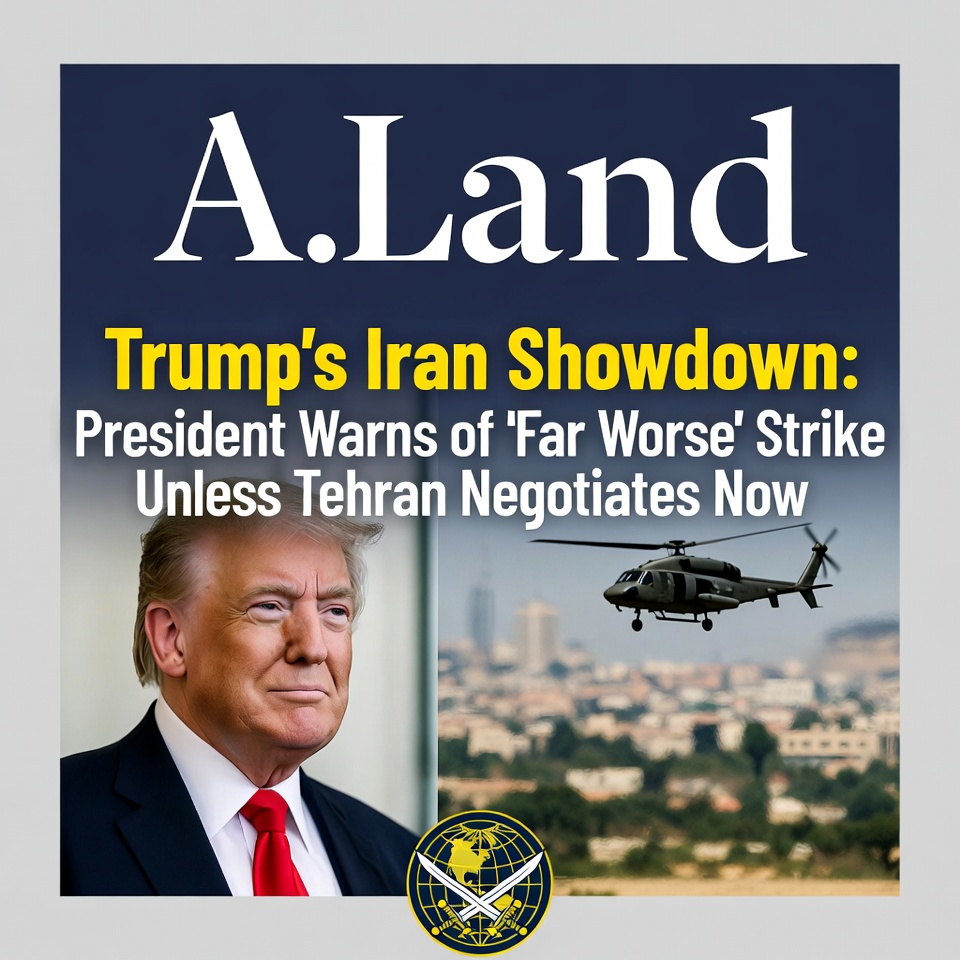
January 29, 2026
President Donald Trump ratcheted up pressure on Iran overnight, delivering a blunt public ultimatum that Tehran must immediately return to the negotiating table for a new nuclear agreement or face military consequences described as "far worse" than any previous U.S. action against the Islamic Republic.
Oval Office Message Goes Viral
In a late-night Truth Social post that quickly spread across global media, Trump declared time is running out for Iran to abandon its nuclear weapons program and strike a fair, equitable deal. He referenced a recent U.S. military strike he claimed had already inflicted major damage on Iranian capabilities, warning that the next response would be exponentially more severe if provocations continue.
The president pointed to the deployment of a formidable naval task force centered on the USS Abraham Lincoln aircraft carrier strike group, now operating in the Middle East and positioned for rapid, overwhelming action. Trump urged Iranian leadership to act quickly and sensibly, stating that a beneficial agreement for all sides remains possible but only if Tehran comes to the table without delay.
Tehran Fires Back: No Talks Under Threat
Iran's Foreign Minister Abbas Araghchi responded within hours, rejecting the ultimatum as unacceptable intimidation. He asserted that Iran's military stands fully ready and that any aggression would meet a swift, decisive counterstrike. Araghchi emphasized that genuine diplomacy cannot occur while U.S. warships loom offshore and threats hang in the air.
Iranian state media amplified the message, framing Trump's statement as proof of American hostility and interference. Officials in Tehran reiterated their position that the nuclear program serves defensive purposes only and accused Washington of fabricating pretexts for confrontation.
Military Posturing and Regional Stakes
The Lincoln carrier group, accompanied by destroyers, cruisers, and support vessels, represents one of the most potent naval formations in the region. Defense officials confirmed the deployment is part of a broader show of force designed to deter Iranian actions while signaling U.S. willingness to back words with overwhelming power.
Analysts note the timing aligns with ongoing U.S. concerns over Iran's uranium enrichment levels, ballistic missile development, and alleged support for proxy groups across the Middle East. The ultimatum also arrives amid domestic political pressures in Washington to project strength on foreign policy.
International Reactions Pour In
European capitals expressed alarm at the escalating rhetoric, with several foreign ministries urging immediate de-escalation and a return to multilateral talks. Turkey called for restraint to prevent miscalculation, while Gulf Arab states quietly welcomed the renewed U.S. pressure on Tehran.
Oil markets reacted with caution, with Brent crude ticking higher on fears that any escalation could disrupt flows through the Strait of Hormuz. Energy traders are closely monitoring developments, knowing even limited conflict could send prices spiking.
High-Stakes Gamble Unfolds
Trump's direct, public approach mixes threats with an offer of negotiation, a tactic he has used in previous standoffs. Whether the strategy forces Iran back to the table or pushes the two sides closer to confrontation remains uncertain.
As the carrier group settles into position and both capitals trade sharp statements, the world watches one of the most volatile flashpoints in global security. The next few days could determine whether diplomacy reemerges or whether the region slides toward a dangerous new chapter of confrontation.
Date: 29th Jan, 2026