Trump’s Arms Deal Signals Shift in Ukraine Policy
Published Date: 15th Jul, 2025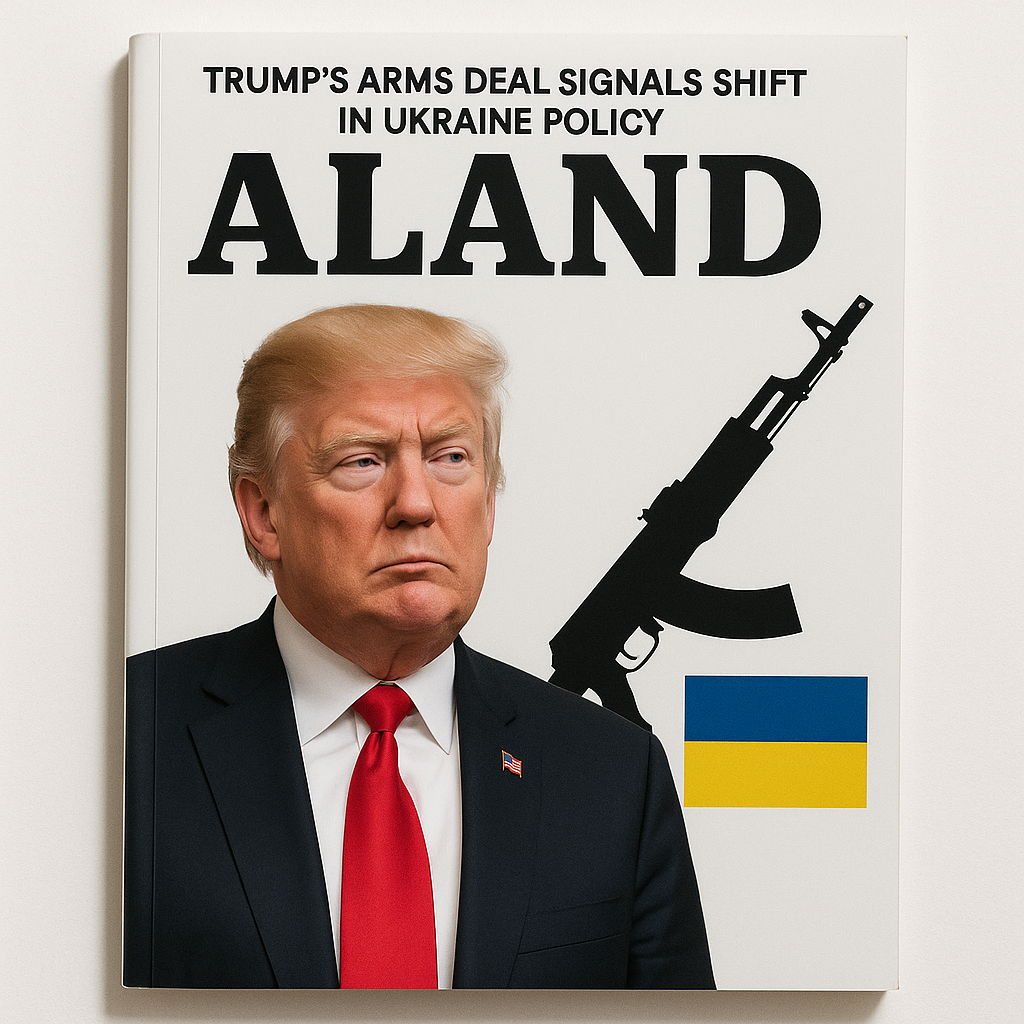
July 15, 2025 — Washington, D.C.
In a dramatic reversal of his previous stance, President Donald Trump has announced a significant escalation in U.S. support for Ukraine amid its ongoing conflict with Russia. On July 14, 2025, Trump unveiled a comprehensive arms deal that includes the provision of advanced U.S.-made weaponry to NATO allies, who will then deliver these arms to Ukraine. This move marks a departure from Trump's earlier policy of limiting U.S. aid to defensive weapons only, aiming to avoid direct confrontation with Russia.
A Bold New Strategy
President Trump, alongside NATO Secretary-General Mark Rutte, revealed that the United States would supply billions of dollars' worth of advanced military equipment to NATO allies, who will subsequently transfer these arms to Ukraine. European nations are expected to cover the costs, effectively circumventing direct U.S. military aid and addressing previous concerns about escalating the conflict.
The package includes Patriot air defense systems and long-range missiles, such as Tomahawks and ATACMS, which could enable Ukraine to conduct strikes deep within Russian territory. This strategic shift aims to bolster Ukraine's defense capabilities and apply increased pressure on Russia.
Economic Pressure on Russia
In addition to the military support, President Trump issued a stern warning to Russia, threatening to impose 100% secondary tariffs on Russian energy exports if a ceasefire agreement is not reached within 50 days. This ultimatum underscores the administration's commitment to leveraging economic sanctions as a tool to compel Moscow to negotiate.
The proposed sanctions also include a 500% tariff on imports from countries that continue to support Russia's energy sector, such as China, India, and Brazil. These measures aim to isolate Russia economically and diminish its ability to sustain the war effort.
European Support and NATO's Role
The announcement has been met with praise from European leaders, who have pledged to increase defense spending and support Ukraine's defense needs. NATO members, including Germany, Norway, Finland, Denmark, Sweden, the Netherlands, and Canada, are set to purchase U.S.-made Patriot missile systems and send them to Ukraine, with NATO covering the expenses.
NATO Secretary-General Mark Rutte emphasized the alliance's commitment to enhancing Ukraine's defensive capabilities and ensuring the security of its sovereignty. The coordinated effort reflects a unified stance among Western allies in countering Russian aggression.
Ukraine's Response
Ukrainian President Volodymyr Zelensky expressed gratitude for the increased support, highlighting the importance of international solidarity in the face of Russian aggression. He reiterated Ukraine's commitment to achieving peace and securing its territorial integrity.
The enhanced military aid is expected to bolster Ukraine's defense capabilities, enabling it to better withstand Russian offensives and potentially shift the momentum in the conflict.
Implications for U.S. Foreign Policy
This significant policy shift represents a departure from President Trump's earlier approach, which had been characterized by skepticism toward U.S. involvement in Ukraine's defense. The new strategy aligns more closely with NATO allies and demonstrates a commitment to countering Russian expansionism.
However, the effectiveness of these measures remains to be seen, as Russia has dismissed the U.S. ultimatum as "theatrical." The coming weeks will be critical in determining whether the combination of military aid and economic sanctions can compel Moscow to engage in meaningful negotiations.
As the situation develops, the international community will be closely monitoring the impact of these policy changes on the trajectory of the conflict and the broader geopolitical landscape.
Date: 15th Jul, 2025