Trump Administration Imposes Sweeping New Tariffs on Iran to Cripple Nuclear and Missile Funding
Published Date: 7th Feb, 2026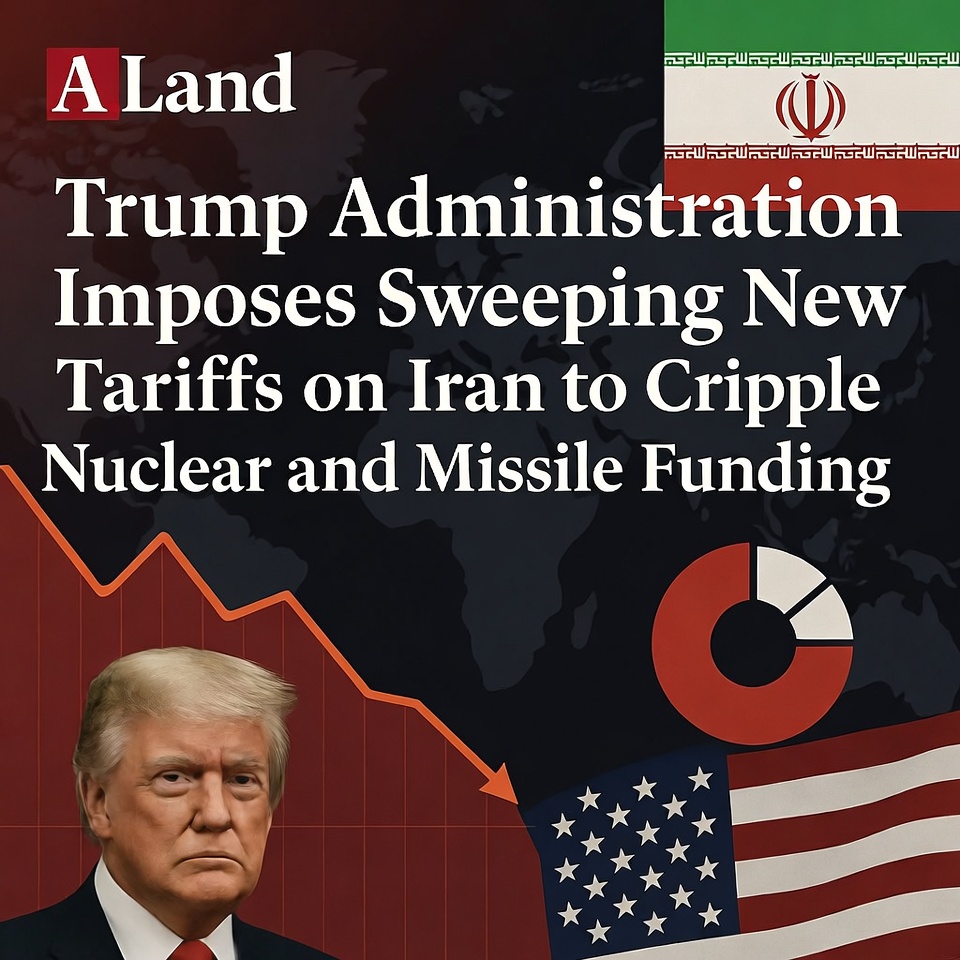
February 07, 2026
President Donald Trump signed an executive order Friday night imposing steep new tariffs on a broad range of Iranian exports and related transactions, effective immediately at midnight. The measures target approximately $12 billion in annual Iranian-origin goods and aim to severely restrict Tehran's ability to generate revenue for its nuclear program, ballistic missile development, and support for proxy militias across the Middle East.
The tariffs apply at rates of 25 percent to 100 percent across multiple sectors, with secondary sanctions expanded to penalize foreign entities continuing significant purchases of Iranian oil or petrochemicals. Administration officials described the action as a necessary escalation to force Iran back to serious negotiations after months of stalled diplomacy and continued provocative behavior.
Detailed Tariff Structure
The executive order imposes the following duties:
- 100 percent on all Iranian petrochemicals, refined products, and derivatives
- 50 percent on steel, aluminum, copper, and other base metals
- 35 percent on textiles, carpets, apparel, and finished consumer products
- 25 percent on agricultural goods, processed foods, and certain non-strategic exports
The Treasury Department's Office of Foreign Assets Control simultaneously designated 47 additional individuals and entities tied to the Islamic Revolutionary Guard Corps (IRGC) and its international financing networks. Any foreign bank or company facilitating transactions above de minimis thresholds with these newly listed parties now risks being cut off from the U.S. financial system.
Humanitarian trade channels, including food and medicine, remain exempt under existing general licenses.
Administration Justification and Goals
Trump stated the tariffs directly respond to Iran's ongoing uranium enrichment to near-weapons-grade levels, repeated ballistic missile tests, and active backing of groups such as Hezbollah, the Houthis, and certain Iraqi Shia militias. He linked the economic measures to the continued presence of a U.S. carrier strike group in the Arabian Sea and recent public warnings from Iranian leadership.
Senior officials emphasized that the tariffs are fully reversible if Iran agrees to verifiable curbs on its nuclear and missile programs, ends support for designated terrorist organizations, and returns to good-faith talks. The White House framed the action as part of a dual-track strategy: maximum economic pressure combined with readiness for diplomacy if Tehran shows genuine willingness to compromise.
Iran's Response and Regional Fallout
Iranian Foreign Minister Abbas Araghchi denounced the tariffs as "naked economic aggression" and warned that Tehran would take reciprocal steps to protect its interests. Officials in Tehran suggested possible countermeasures including tighter restrictions on maritime traffic through the Strait of Hormuz, accelerated nuclear activities, or activation of proxy forces in multiple theaters.
Global oil prices rose approximately 2.3 percent in early Asian trading Wednesday, reflecting trader anxiety over potential supply risks despite U.S. assurances that the measures target revenue streams rather than physical exports. The U.S. dollar gained modestly against emerging market currencies.
The European Union expressed concern that unilateral U.S. action could undermine multilateral diplomatic efforts. China, which remains Iran's largest oil buyer, has not issued an official reaction but is widely expected to maintain purchases through alternative payment mechanisms.
Domestic Political Landscape
Republican leaders in Congress welcomed the tariffs as overdue and necessary. House Foreign Affairs Committee Chairman Michael McCaul stated the measures "send a clear message that Iran's malign behavior carries real costs." Some Democrats criticized the approach as escalatory without a parallel diplomatic channel, warning of humanitarian spillover and risks of miscalculation.
The new tariffs build on existing sanctions architecture but represent the broadest single expansion of economic pressure against Iran since the administration returned to office. Officials indicated further designations and sectoral restrictions remain under consideration if Iran does not change course.
With tensions already elevated in the Gulf and nuclear talks dormant, the tariffs significantly raise the stakes. The coming days and weeks will reveal whether intensified economic isolation compels concessions from Tehran or pushes the standoff toward greater confrontation. Global markets, energy traders, and regional capitals are watching closely for the next move.
Date: 7th Feb, 2026