Tehran on the Edge: Iran's Economy Spirals with Rial at Record Lows and 40%+ Inflation in Late 2025
Published Date: 21 Dec, 2025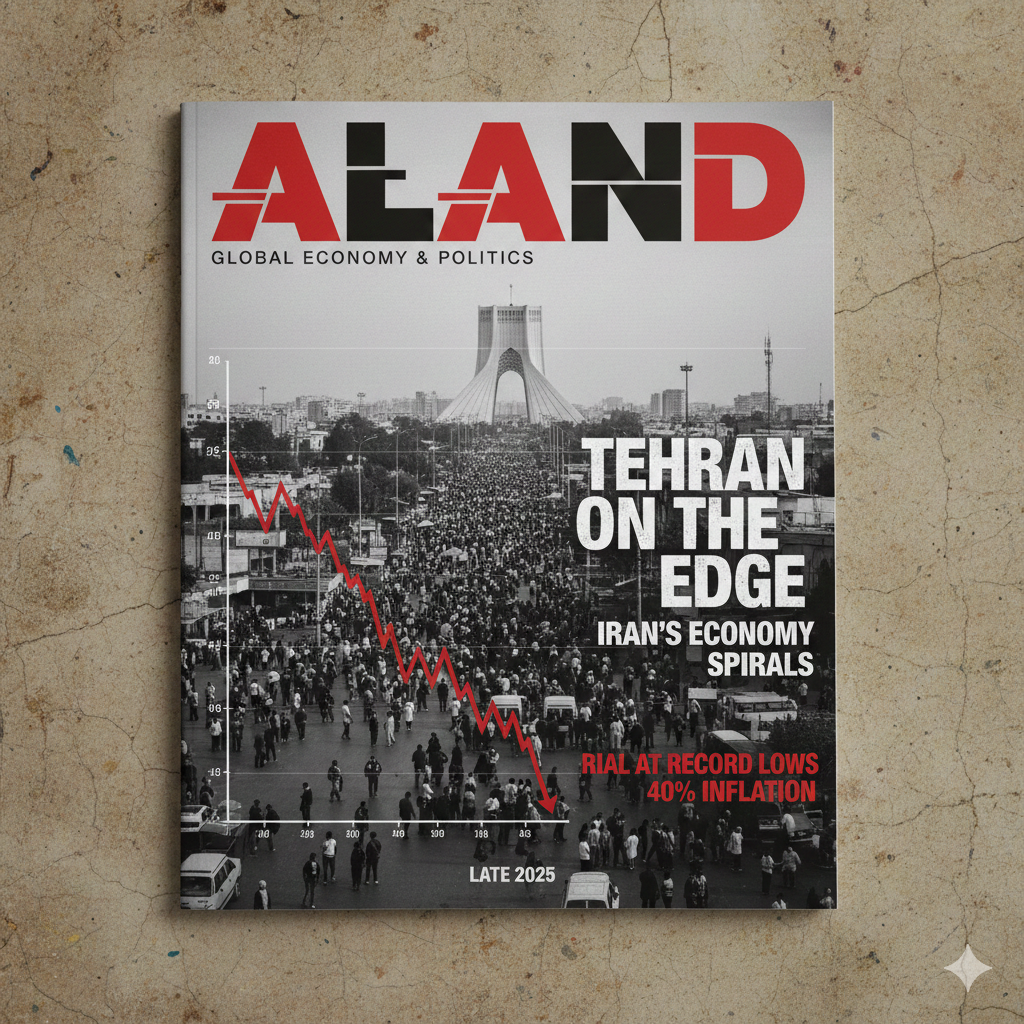
Tehran's bustling bazaars and high-rise skyline mask a grim reality in late 2025: Iran's economy is teetering on the brink of collapse, battered by decades of sanctions, mismanagement, and geopolitical fallout from regional conflicts. The Iranian rial has plummeted to historic lows—trading over 1.3 million to the dollar in December black markets—while inflation hovers above 40%, eroding savings and pushing millions deeper into poverty. With rolling blackouts, food shortages, and capital flight accelerating, even regime insiders warn of social unrest, as President Masoud Pezeshkian's reform promises clash with structural woes and renewed international pressure.
Rial's Relentless Rout: Currency Crisis Hits New Depths
The rial's freefall dominated 2025's economic narrative, breaching 1.3 million per dollar in early December—a staggering depreciation from 820,000 at year-start—driven by UN sanctions snapback in September and stalled nuclear diplomacy. Black-market rates spiked despite Central Bank crackdowns on exchanges, with official rates artificially pegged far lower. "Every week, prices double—our salaries vanish," a Tehran teacher told state media, echoing widespread despair as imported goods like medicine and rice soared 60-100%.
The currency crunch stems from oil export woes: discounted sales to China yield limited revenues, diverted to military amid Israel tensions post-June strikes. Capital flight topped $80 billion over 2018-2024, with $9 billion fleeing in spring 2025 alone, per parliamentary reports.
Inflation's Insidious Grip: 40%+ Rates Devour Daily Life
Inflation, entrenched above 30% since 2018, flared to 42-45% projections for 2025 per IMF and World Bank, with food point-to-point spikes at 64% in October. Mazut burning in power plants—amid gas shortages—triggered 3-4 hour daily blackouts, halting factories and costing billions in output. "We're in darkness—literally and economically," a Shiraz resident lamented.
Poverty widened: 57% face malnourishment, 50% of young males unemployed or disengaged. Middle class erosion accelerated, with real wages collapsing and savings evaporating.
Sanctions' Stranglehold: Snapback and Isolation Intensify
UN sanctions "snapback" in September—triggered by E3 (UK, France, Germany) over nuclear non-compliance—reimposed arms embargoes and asset freezes, slashing growth to -1.7% in 2025 per World Bank. US measures targeted Cartel de los Soles and family members, while EU eyed elites. Oil revenues, lifeline despite reserves, discounted heavily.
Pezeshkian's "resistance economy" rhetoric—self-sufficiency pushes—rang hollow amid corruption scandals and budget deficits forcing subsidy cuts.
Protests and Power Struggles: Unrest Brews Beneath Surface
Strikes swept transport and teachers; viral #IranCantBreathe campaigns demanded relief. "Self-made crisis—corruption and war spending," opposition voices claimed. Regime warnings of "impending revolution" surfaced in state papers.
Pezeshkian admitted "fundamentally broken" structures, but reforms stall: toman redenomination symbolic, real change elusive.
Road to Recovery? Diplomacy's Distant Dawn
Experts urge JCPOA revival for relief, but Trump's hardline dims prospects. China's buys mitigate, but discounts drain. "Recovery needs diplomacy and reform," analysts note.
For Iranians, crisis is daily: empty shelves, unaffordable care, youth exodus. As 2025 closes, economy teeters—hyperinflation looms, unrest stirs. Regime braces; people persevere. Storm rages—calm, or collapse?
Date: 21 Dec, 2025