Pyongyang's Stark Warning: North Korea Vows to Bolster Nuclear Deterrent Amid Geopolitical Tensions
Published Date: 28th Jan, 2026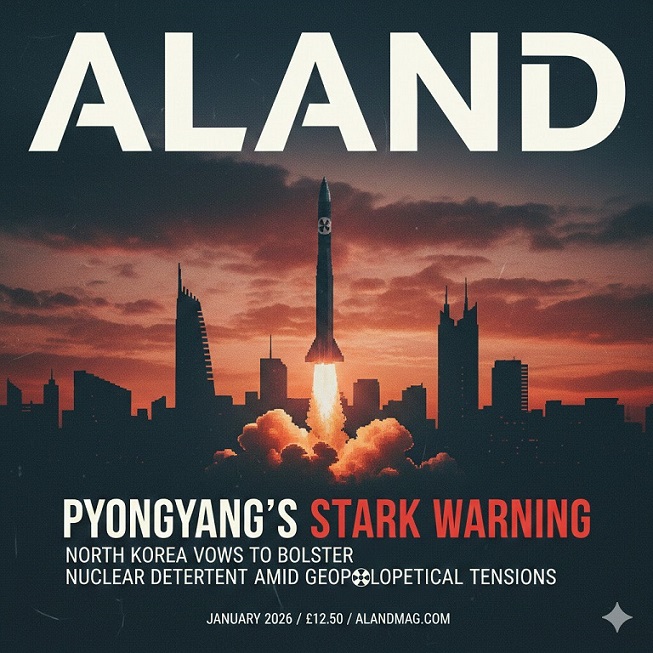
January 28, 2026
North Korea intensified its nuclear rhetoric this month, with leader Kim Jong Un overseeing multiple missile tests and declaring plans to further strengthen the country's nuclear war deterrent ahead of a major party congress later this year.
Kim Oversees Rocket Test, Signals Escalation
On January 27, Kim directed a test of a large caliber multiple rocket launch system, accompanied by his daughter Kim Ju Ae, according to state media KCNA. He described the demonstration as a source of excruciating mental agony and a serious threat to any forces attempting military confrontation with Pyongyang.
Kim stated the upcoming Workers' Party congress would unveil next stage plans to expand and modernize nuclear capabilities, framing the buildup as essential for reliable self defense against perceived external aggression.
Missile Barrage Marks Active Start to 2026
The rocket test followed a series of ballistic missile launches earlier in the month. On January 4, Pyongyang fired what it claimed were hypersonic missiles into the Sea of Japan, with Kim personally supervising the activity. He emphasized the need to maintain and expand a strong nuclear deterrent in response to recent geopolitical crises and complicated international events.
South Korea and Japan detected at least two projectiles reaching distances of 900 to 950 kilometers, with no immediate threat reported to US personnel or allies. A second round of suspected ballistic missile firings occurred on January 27, condemned by Seoul and Tokyo as provocative violations of UN Security Council resolutions.
Linking Nuclear Posture to Global Events
North Korean officials and state media repeatedly tied the push for nuclear advancements to the US military operation in Venezuela that resulted in the capture of President Nicolás Maduro. Pyongyang condemned the action as gangster like imperialism and a violent violation of sovereignty, using it to justify its own nuclear program as a defensive necessity.
Analysts noted Pyongyang views non nuclear states as vulnerable to regime change efforts, reinforcing Kim's conviction that only robust nuclear capabilities can guarantee survival against Western threats.
Regional Alarm and Diplomatic Stalemate
South Korea's government called the launches grave provocations undermining peace, while Japan labeled them intolerable threats to regional stability. The US Indo Pacific Command reaffirmed commitments to allies without indicating immediate escalation.
South Korean President Lee Jae Myung, during a recent visit to Beijing, urged China to mediate on the Korean Peninsula and proposed a freeze on North Korea's nuclear program in exchange for compensation, though channels with Pyongyang remain blocked.
Path Forward: Congress and Continued Buildup
With the ninth Workers' Party congress approaching, North Korea appears poised to accelerate missile production, hypersonic technology, and overall nuclear modernization. Kim has ordered expanded factories and doubled tactical guided weapon output in recent inspections.
As missile activity ramps up and nuclear rhetoric sharpens, the international community watches closely for signs of further tests or provocative statements. The developments underscore persistent challenges in denuclearization efforts and heighten concerns over stability on the Korean Peninsula in this volatile new year.
Date: 28th Jan, 2026