Pahalgam in Crisis: Tragedy Strikes as Terror Attack Shatters Kashmir's Peace
Published Date: 26th Apr, 2025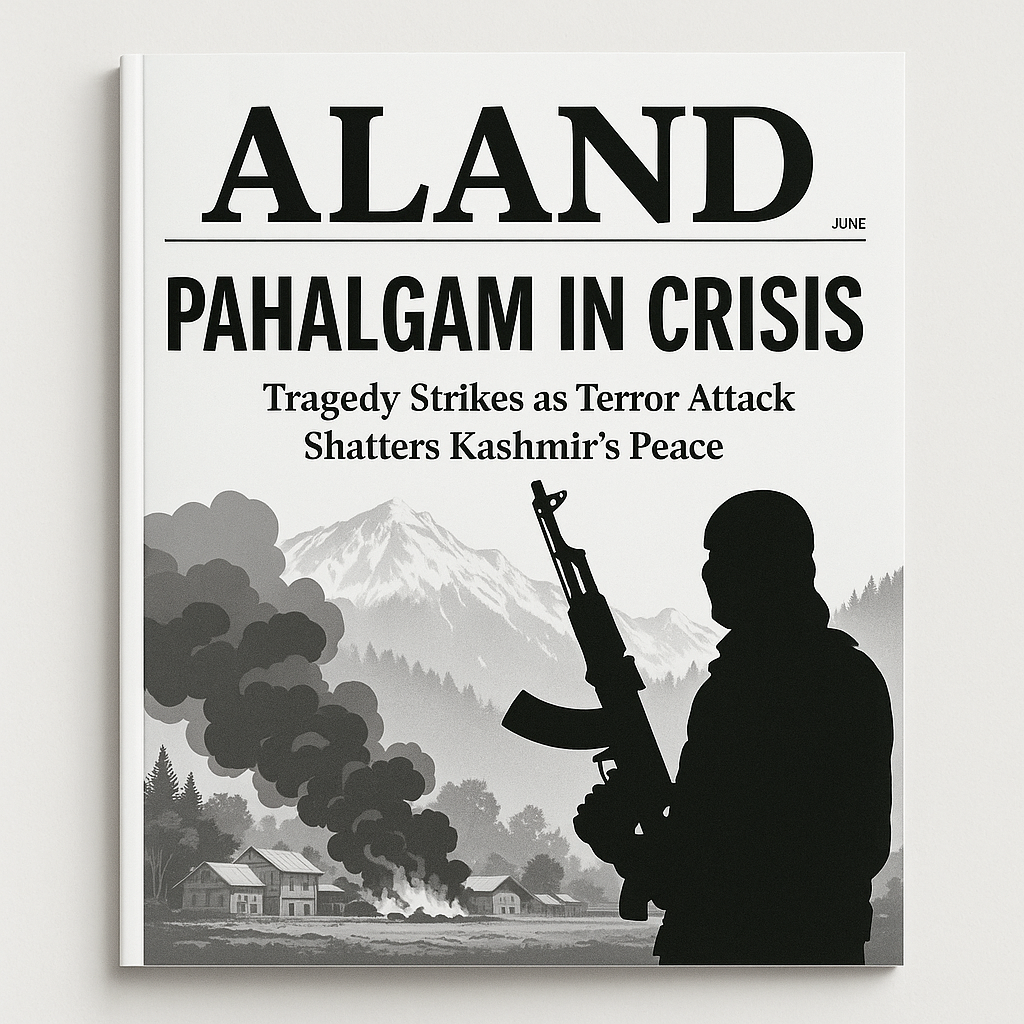
You can also listen to the Spotify Podcast on this topic
April 26, 2025 – Pahalgam, Jammu & Kashmir
Pahalgam, once a serene haven nestled in the verdant embrace of the Lidder Valley, has been thrust into the global spotlight for all the wrong reasons. On April 22, 2025, a brutal terrorist attack in Baisaran Valley, near this picturesque town, claimed the lives of 26 individuals—primarily tourists—and left over 20 others wounded. The assailants, reportedly members of The Resistance Front (TRF), a faction linked to the Pakistan-based militant group Lashkar-e-Taiba, targeted visitors in a meticulously planned ambush. Eyewitnesses recounted that the attackers singled out victims based on their religious identity before opening fire, leading to widespread condemnation and grief across India and beyond.
A Day of Horror in Baisaran Valley
The attack unfolded in the idyllic Baisaran Valley, a popular tourist destination known for its lush meadows and panoramic views. Around 3:00 PM local time, four gunmen emerged from the surrounding forest and indiscriminately opened fire on a group of tourists. Among the victims were honeymooning couples, families on vacation, and a foreign national from Nepal. The assailants fled the scene swiftly, leaving behind a trail of devastation. Authorities have since identified the perpetrators as Saifullah Kasuri (alias Khalid), Asif Fauji, Suleman Shah, and Abu Talha, all believed to have ties to Lashkar-e-Taiba and previous militant activities in the region.
National Outrage and Diplomatic Fallout
The massacre has ignited a firestorm of national outrage. Prime Minister Narendra Modi, who had previously championed the return of normalcy to Kashmir, cut short his foreign visit to address the crisis. In a swift response, India expelled Pakistani diplomats, suspended visa services for Pakistani nationals, and revoked the 1960 Indus Waters Treaty—a move that Pakistan has condemned as an act of war. In retaliation, Pakistan suspended the 1972 Shimla Agreement, closed its airspace to Indian flights, and expelled Indian diplomats, escalating tensions between the two nuclear-armed neighbors. Both countries have engaged in border skirmishes along the Line of Control, with reports of exchanges of fire and heightened military readiness.
The Human Toll and Global Condemnation
The victims hailed from various parts of India, including West Bengal, Gujarat, and Karnataka, as well as from Nepal. Among the deceased was a U.S.-based tech professional and an Indian Air Force official, highlighting the international scope of the tragedy. The United Nations, the United States, and several other nations have condemned the attack in the strongest terms, calling for justice and urging both India and Pakistan to exercise restraint.
Economic Devastation in a Tourism Hub
Pahalgam, a town heavily reliant on tourism, faces an economic crisis in the wake of the attack. The summer season, which typically attracts thousands of visitors, has seen a sharp decline in footfall. Local businesses report mass cancellations, with tourists evacuating the region and airlines scrambling to accommodate the exodus. The Jammu and Kashmir government had previously allocated significant funds for tourism development, but the recent violence threatens to undo years of progress.
A Call for Unity and Justice
In the aftermath of the attack, candlelight vigils and protests have erupted across Kashmir, with citizens condemning the violence and expressing solidarity with the victims. Kashmiri leaders, including Mirwaiz Umar Farooq, have emphasized that the region's identity, known as "Kashmiriyat," is rooted in tolerance and coexistence. The slogan "All Eyes on Pahalgam" has gained traction on social media, symbolizing a collective stand against terrorism and a call for justice.
Looking Ahead
As of April 26, 2025, the situation remains tense. Security forces continue their operations to apprehend the perpetrators, while diplomatic channels between India and Pakistan remain strained. The international community watches closely, hoping for a de-escalation of tensions and a return to peace in a region long marred by conflict.
The Pahalgam tragedy serves as a stark reminder of the fragile peace in Kashmir and the devastating impact of terrorism on innocent lives. As the region grapples with the aftermath, the world stands united in its condemnation and in its hope for a future where such senseless violence is no more.
Date: 26th Apr, 2025