Nepal Imposes Ban on Major Social Media Platforms Amid Regulatory Dispute
Published Date: 22 Sep, 2025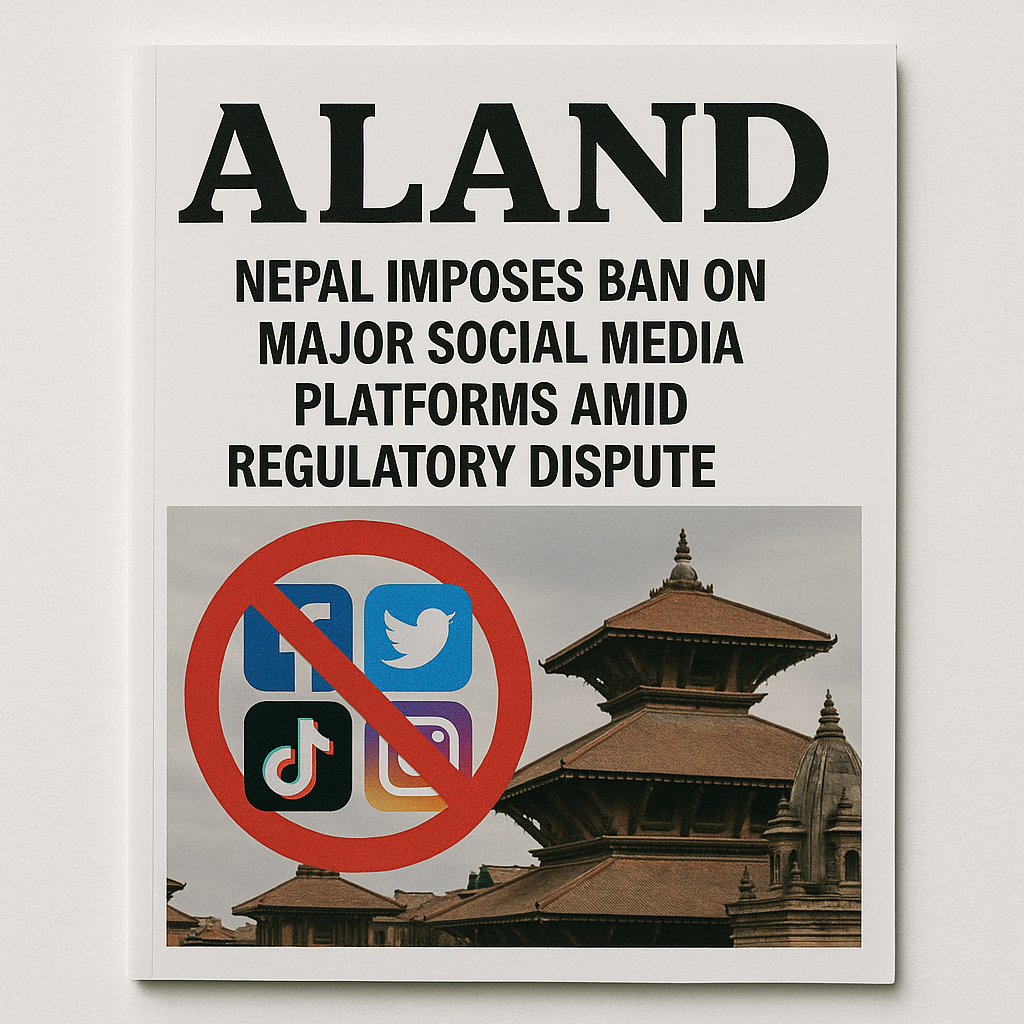
Kathmandu, September 2025 — The government of Nepal has imposed a sweeping ban on 26 social media platforms, including Facebook, Instagram, X (formerly Twitter), WhatsApp, YouTube, LinkedIn, Reddit, Signal, and Snapchat. Officials said the move followed the platforms’ failure to comply with new registration and regulatory requirements.
Why the Ban?
Nepal’s Ministry of Communications and Information Technology had recently mandated that all social media companies operating in the country must formally register, appoint a local compliance officer, establish grievance-handling mechanisms, and follow government directives on content regulation.
Authorities insisted the rules were meant to improve accountability, curb harmful or unlawful content, and align with a Supreme Court order. Platforms that complied with the requirements were allowed to continue operating, but those that did not were blocked.
Public Response and Protests
The ban sparked immediate backlash, particularly among younger Nepalese who depend heavily on social media for communication, education, and political expression. Thousands took to the streets in Kathmandu and other major cities in what many dubbed a “Gen Z revolution.”
Protests quickly escalated, with clashes breaking out between demonstrators and security forces. Authorities enforced curfews in parts of the capital as violence intensified, and reports emerged of injuries and fatalities.
Government Reversal
After several days of unrest and mounting pressure both domestically and internationally, the government lifted the ban and restored access to the platforms. Officials also pledged to review the handling of protests and investigate allegations of excessive use of force by security personnel.
The crisis led to resignations of some senior officials and renewed debate over how Nepal should regulate social media without undermining civil liberties.
Stakes and Implications
The episode underscored how central digital platforms have become to Nepalese society, especially among younger generations. For many, social media is not only a tool for personal connection but also a channel for activism and free expression.
Critics of the ban warned it could set a dangerous precedent for censorship if regulation is not balanced with safeguards for free speech. The government, however, continues to argue that tighter rules are necessary to address issues such as misinformation, cybercrime, and threats to public order.
Nepal’s brief but sweeping ban on multiple social media platforms highlighted the delicate balance between state regulation and digital freedom. While the government has now reversed its decision, the protests it provoked signal that younger citizens are prepared to defend their online freedoms — and that future attempts at heavy-handed regulation may be met with equally fierce resistance.
Date: 22 Sep, 2025