Mexico Faces Escalating Humanitarian Turmoil After Cartel Leader's Death Triggers Nationwide Chaos
Published Date: 24th Feb, 2026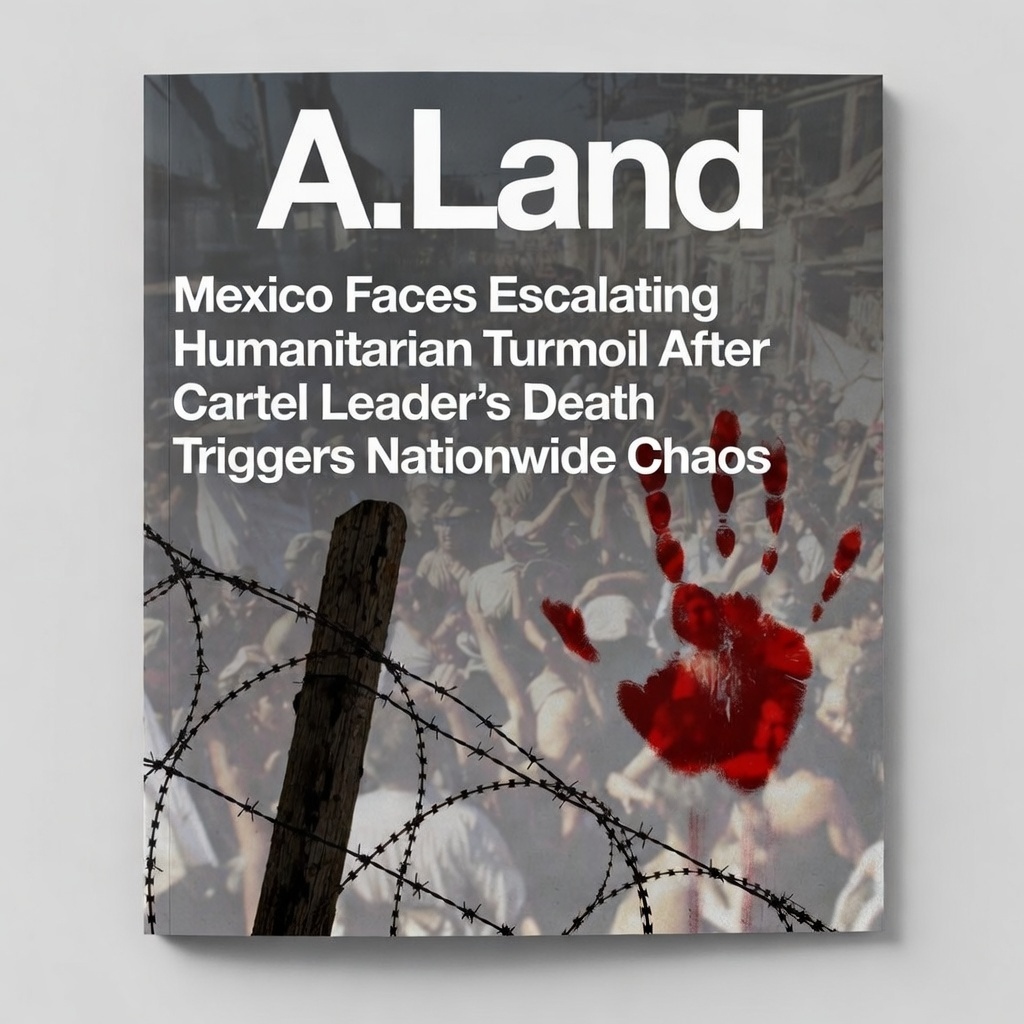
February 24, 2026
Mexico reels from a sudden surge in violence following the military killing of Jalisco New Generation Cartel leader Nemesio Oseguera Cervantes, known as El Mencho, plunging parts of the country into humanitarian distress marked by widespread fear, service disruptions, and rising displacement risks.
The operation unfolded Sunday in Tapalpa, Jalisco, with U.S. intelligence support leading to Oseguera's capture and subsequent death from injuries. Retaliation erupted almost immediately, spreading across at least twenty states including Jalisco, Michoacan, Guanajuato, Nayarit, Tamaulipas, and Baja California. Cartel operatives set vehicles ablaze, erected roadblocks, clashed with security forces, and targeted infrastructure, resulting in over seventy deaths, including dozens of soldiers and civilians.
Immediate Fallout Disrupts Communities and Safety
Schools shut down, public transportation halted, and residents sheltered in place as chaos gripped urban and rural areas alike. Authorities lifted many restrictions by Monday, yet pockets of tension persist with sporadic incidents reported. The United Nations in Mexico voiced deep concern over protection threats, especially to children and families, noting restricted access to education, healthcare, and daily necessities in affected zones.
This flare-up amplifies existing patterns where criminal groups dominate territory, extort businesses, and force recruitment, creating environments of constant insecurity. Humanitarian actors face challenges operating amid the unrest, with aid delivery hampered by blocked routes and safety fears.
Displacement Waves Build on Chronic Vulnerabilities
Internal displacement continues to climb, with estimates from recent years placing figures around four hundred thousand people uprooted by violence, though underreporting likely conceals a higher reality. The current violence could accelerate new movements as families flee hotspots in search of refuge elsewhere in Mexico or toward the northern border.
In southern Chiapas, Tapachula remains a focal point of migrant hardship, described as a "city of forced waiting" for tens of thousands from Haiti, Venezuela, Cuba, Honduras, and other nations. U.S. policy restrictions and aid reductions strand people for prolonged periods, exposing them to exploitation, cartel threats, and unmet basic needs. Asylum applications stay elevated despite fewer arrivals overall, overwhelming shelters and support services amid funding shortfalls.
International Response and Long-Term Pressures
The European Union committed eleven million euros for 2026 to tackle violence, displacement, and food insecurity across Central America and Mexico, acknowledging intertwined drivers like armed conflict and climate impacts. Broader regional humanitarian needs face severe constraints from global aid cuts, leaving millions vulnerable.
Mexico's government under President Claudia Sheinbaum pursues aggressive measures against cartels, yet experts caution that high-profile operations risk provoking further bloodshed and instability. With events like the 2026 World Cup approaching in host cities including Guadalajara, security implications extend internationally.
The nation confronts a deepening crisis where violence intersects with migration strains and economic hardship. As stability slowly returns in some areas, the underlying threats endure, demanding sustained efforts to protect vulnerable populations and address root causes before the humanitarian toll escalates further.
Date: 24th Feb, 2026