Iran Braces for Confrontation as U.S. Carrier Strike Group Looms in Gulf Waters Amid Nuclear Deadlock
Published Date: 30th Jan, 2026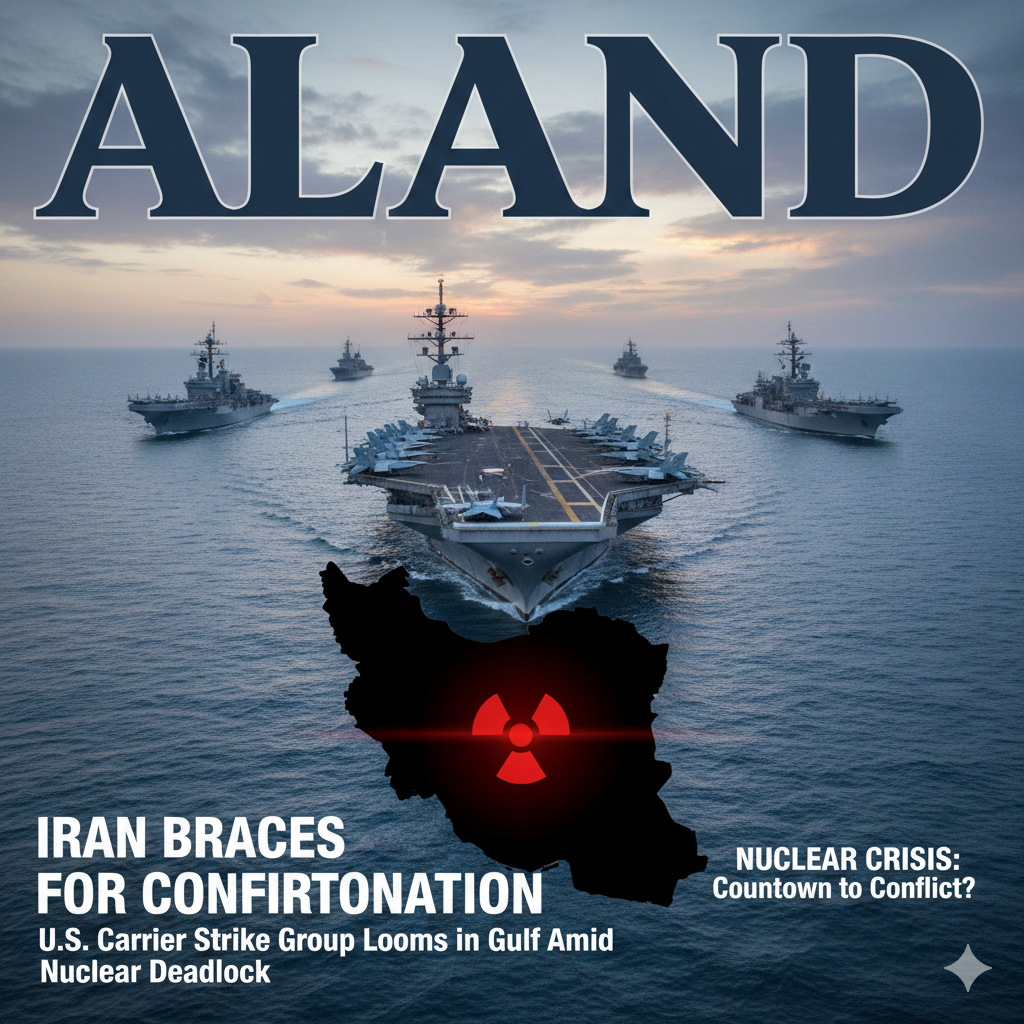
January 30, 2026
Tensions between the United States and Iran have surged to dangerous new heights, with a powerful American carrier strike group now positioned in the Arabian Sea and both sides trading increasingly pointed warnings. President Donald Trump has described the deployment as a massive armada ready to act decisively, while Iranian leaders insist their forces remain poised for an immediate, unrestricted counterstrike if attacked.
The core issue revolves around Iran's nuclear program, ballistic missiles, and regional influence through allied groups. Washington demands complete dismantlement of any path to weapons capability, plus curbs on missile development and proxy support. Tehran views these as unacceptable infringements on sovereignty and defensive rights.
U.S. Naval Power Concentrates Near Iran
The USS Abraham Lincoln, a nuclear-powered aircraft carrier, leads a formidable strike group that includes guided-missile destroyers equipped with Tomahawk cruise missiles and other advanced assets. This force has arrived in the region this week, bolstering existing U.S. military presence across bases in Qatar, Bahrain, the United Arab Emirates, and beyond. Additional warships and support vessels have joined, creating what Trump called a flotilla even larger than previous deployments elsewhere.
The president has emphasized the armada's readiness to fulfill its mission swiftly and forcefully if diplomacy fails. He has urged Iran to negotiate an equitable nuclear accord quickly, stressing that time is of the essence and no deal can permit nuclear weapons. Recent statements highlight ongoing conversations with Iranian representatives, though details remain scarce.
Tehran Signals Full Readiness for Retaliation
Iranian Foreign Minister Abbas Araghchi has declared that armed forces stand prepared, with fingers on the trigger, to deliver a powerful and immediate response to any aggression across land, air, or sea. Military officials point out that numerous U.S. bases and naval assets lie within reach of medium-range missiles and other systems.
The Islamic Revolutionary Guard Corps Navy has moved hundreds of fast attack craft, missile-launching boats, and support vessels close to the American carrier group. A major live-fire naval exercise in the Strait of Hormuz is set for early February, underscoring Tehran's determination to demonstrate resolve. Spokesmen warn that any U.S. strike would trigger retaliation without limits, potentially targeting warships, installations, and even disrupting vital global shipping lanes.
Back-Channel Diplomacy Struggles Against Military Posturing
Despite the brinkmanship, limited diplomatic channels remain active. Araghchi has expressed willingness for fair nuclear discussions on equal terms, rooted in mutual respect and free from coercion or demands to restrict Iran's missile arsenal or regional partnerships. No formal meetings have been scheduled, and Iran rejects talks under the shadow of military threats.
Neighboring countries have intensified mediation efforts to avert catastrophe. Turkey has offered to host and facilitate dialogue, while Iraq engages both capitals to safeguard stability and prevent spillover. These initiatives highlight widespread alarm that a single misstep could ignite a wider war involving proxies, energy chokepoints, and cascading instability across the Middle East.
Nuclear Reconstruction Fuels Core Dispute
Iran's nuclear facilities suffered severe damage from earlier U.S. and allied operations in 2025, with key enrichment sites at Natanz, Fordow, and Isfahan hit hard. Assessments indicate the program was set back substantially, though reconstruction proceeds, including efforts to place new infrastructure deeper underground for protection against future strikes.
Tehran insists its activities remain peaceful, aimed at energy and research needs, while rejecting any curbs on defensive capabilities. U.S. officials tie the current buildup directly to blocking revival or progress toward weapons-grade material. The standoff echoes long-standing suspicions, now amplified by recent domestic unrest in Iran and renewed American pressure.
High Stakes Demand Urgent De-escalation Path
With warships in close proximity, exercises imminent, and rhetoric at fever pitch, the region teeters on a knife's edge. Global markets monitor oil routes nervously, allies heighten vigilance, and ordinary citizens brace for potential fallout. Both Washington and Tehran face critical choices in the days ahead: pursue genuine negotiations to avert disaster or risk actions that could plunge the Middle East into profound and prolonged turmoil. The window for peaceful resolution narrows rapidly as military forces remain locked in tense standoff.
Date: 30th Jan, 2026