Friedrich Merz Falls Short: A Stunning Setback in Germany's Chancellor Race
Published Date: 6th May, 2025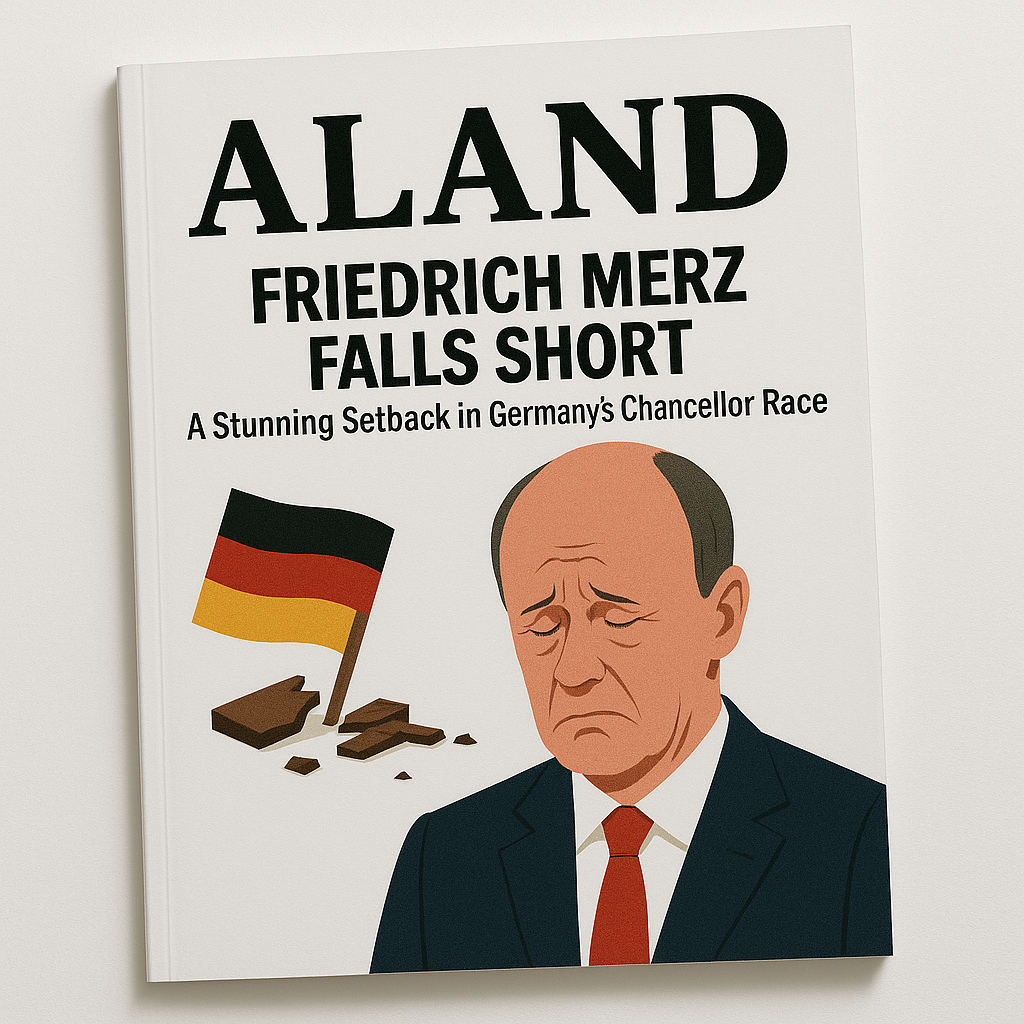
May 6, 2025 – Berlin
In a surprising turn of events, Friedrich Merz's bid to become Germany's next chancellor hit an unexpected roadblock as his vote tally fell short in the Bundestag. The Christian Democratic Union (CDU) leader, who had the backing of a promising coalition with the Social Democratic Party (SPD), garnered just 310 votes, falling six votes short of the 316 required to secure the chancellorship.
A Historic Failure
For the first time in postwar German history, a chancellor candidate failed to win a majority on the first ballot. Political analysts are calling this development a shock to the German political system, marking a rare moment of instability in a country known for its political maturity and consensus-driven governance.
“This is a historic event,” said Henning Meyer, a political scientist at Tübingen University. “The division within the coalition is clear, and it has shaken the confidence in Merz’s leadership right from the start.”
The Uncertainty Ahead
Following the unexpected result, the Bundestag now faces a tense 14-day period to reattempt the election of a chancellor. If Merz cannot secure the necessary votes, German President Frank-Walter Steinmeier may need to intervene, nominating a new candidate or calling for new elections altogether. Until then, outgoing Chancellor Olaf Scholz remains in office on a temporary basis.
As the pressure mounts on Merz and his CDU, the political landscape in Germany remains in flux. Without a clear winner, the country's leadership is in a precarious situation, with unresolved questions about Germany's future direction in both domestic and foreign policies.
Economic and Political Fallout
The failed vote sends a ripple through Germany’s economy, particularly as Merz had promised to address key issues such as economic reforms and defense spending. Experts warn that the political uncertainty could erode investor confidence, with the DAX index dropping by 1.7% in the immediate aftermath of the failed vote.
“Political stability is crucial to economic performance, and this failure to elect a chancellor has sent a negative signal to markets,” said Ulrich Bauer, an economist based in Frankfurt. “Germany is facing uncertain times ahead unless a resolution is reached swiftly.”
What Comes Next?
As the Bundestag prepares for another round of voting, Merz’s political future hangs in the balance. With internal party divisions still evident and uncertainty surrounding the next steps, the road to becoming Germany's next leader looks increasingly difficult. If Merz cannot rally the necessary support, it could set the stage for a prolonged political crisis, with far-reaching consequences for Germany's governance and its position in Europe.
For now, Germany’s leadership remains in limbo, and the outcome of the next vote will determine whether Friedrich Merz can overcome this unprecedented challenge and take the reins as the nation’s next chancellor.
Date: 6th May, 2025