Dragon and Samurai: The New Cold Front Over the East China Sea
Published Date: 15th Nov, 2025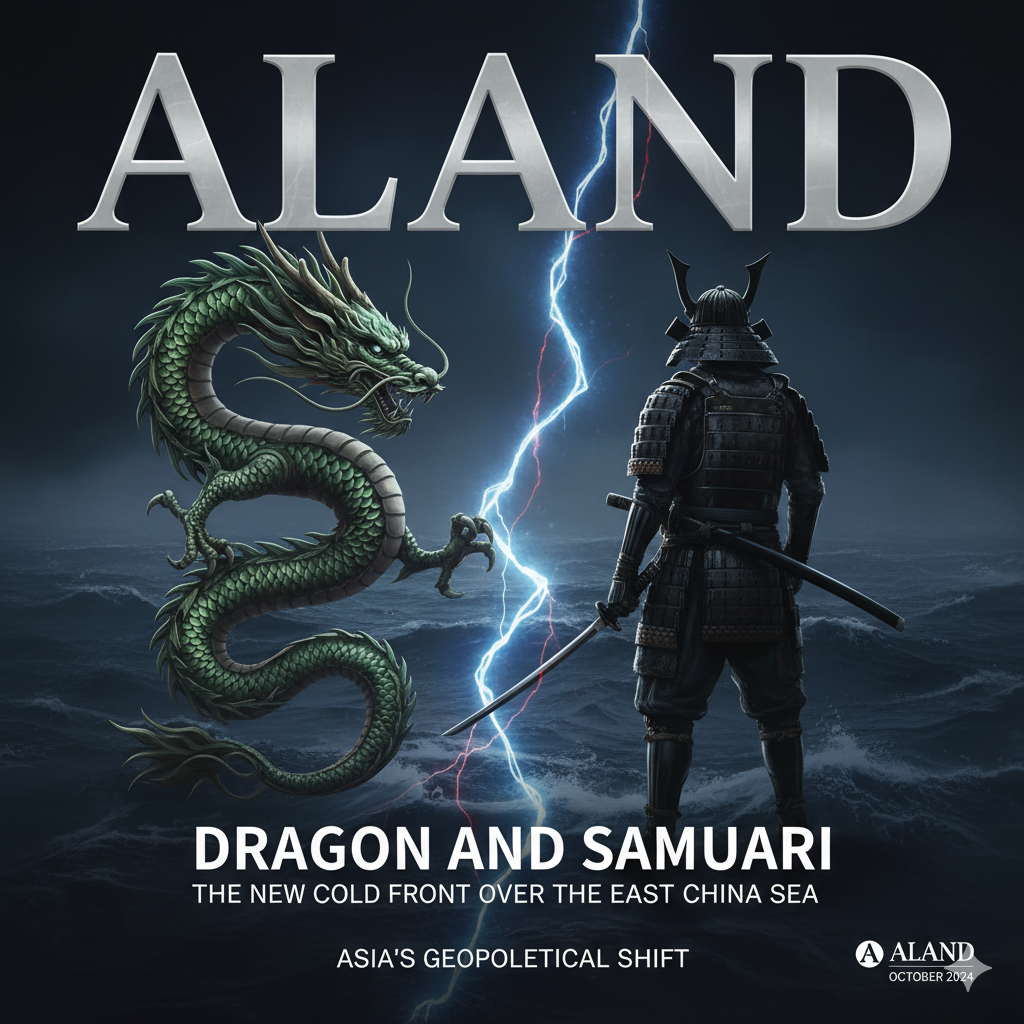
The temperature in Sino-Japanese relations has dropped below freezing in a matter of days. A single sentence from Tokyo—delivered with the calm precision of a katana strike—has triggered a diplomatic avalanche that now buries decades of carefully cultivated détente. November 2025 will be remembered not for autumn foliage, but for the moment two Asian giants bared their teeth over an island 110 kilometers off Taiwan’s coast.
The Spark That Ignited the Storm
It began in a wood-paneled committee room in Japan’s Diet. Newly minted Prime Minister Sanae Takaichi, still adjusting to the weight of the office, uttered eleven words that rewrote regional calculus: “An attack on Taiwan is an attack on Japan’s survival lifeline.”
No qualifiers. No diplomatic cushion. Just a line in the sand drawn with the permanence of ink on rice paper.
Within hours, China’s foreign ministry transformed from protocol to pyre. Spokesperson Lin Jian did not mince words: “Japan is once again playing with fire—and this time, the blaze will consume the arsonist.” State television looped archival footage of 1930s Japanese troops marching through Chinese cities, a not-so-subtle reminder that history is never truly buried in Beijing.
Paper Tigers, Iron Fleets
Words became weapons. China’s maritime militia—those grey-hulled “fishing boats” that outnumber navies—swarmed the waters around the Senkaku/Diaoyu islands in record numbers. Japanese coast guard vessels, dwarfed but defiant, broadcast warnings in Mandarin and Japanese, their loudspeakers crackling like gunfire across the waves.
Satellite imagery tells the tale: 47 Chinese vessels on Tuesday, 83 by Thursday, now over 120. Tokyo scrambles F-15s from Naha; Beijing responds with J-20 stealth fighters slicing through the same airspace. Each sortie is a question mark hanging in the sky: Will today be the day someone blinks—or fires?
The Great Tourist Vanishing Act
Beijing’s retaliation extended far beyond the sea. At 3:17 p.m. on Wednesday, the Chinese Ministry of Culture and Tourism issued a two-line notice: “Citizens are advised to postpone all non-essential travel to Japan immediately.”
The effect was instantaneous. Ctrip and Qunar—China’s travel giants—reported a 94% drop in Japan bookings within six hours. Narita Airport’s departure boards, usually a kaleidoscope of Mandarin characters, went monochrome. Duty-free shops in Osaka shuttered early; a Michelin-starred kaiseki restaurant in Kyoto canceled 42 reservations in one evening.
For Japan’s tourism sector, still limping from pandemic scars, the ban is a guillotine. One hotelier in Hakone whispered to a shuttered onsen: “We were 60% booked by Chinese guests for Golden Week. Now? Zero. We close in December.”
The Economic Boomerang
Trade corridors are next to tremble. Japanese manufacturers wake to find Chinese customs “inspections” stretching from days to weeks. A single shipment of semiconductor chemicals—vital for Tokyo’s chip industry—sat on a Shanghai dock for nine days, labeled “awaiting safety certification.”
Meanwhile, Japanese retailers discover that “technical glitches” have removed their products from Tmall and JD.com. A ¥800 billion bilateral tourism surplus evaporates like morning mist. The Nikkei sheds 4.2% in a morning; the yuan strengthens as capital flees volatility.
Whispers in the War Room
Beneath the public fury, quieter conversations unfold. In a secure room beneath the Zhongnanhai compound, PLA strategists game out scenarios: Could Japan really strike Chinese amphibious forces en route to Taiwan? Would the U.S. 7th Fleet honor its commitments if Tokyo fired first?
Across the sea, Japan’s National Security Secretariat runs its own simulations. Conclusion: a 72-hour window exists between Chinese mobilization and irreversible escalation. Miss it, and the Ryukyu Islands become the new fulcrum of war.
The Human Cost of High Politics
In Taipei, a 28-year-old software engineer cancels his honeymoon to Okinawa. In Fukuoka, a Chinese exchange student packs her dorm room under the wary eyes of campus security. Fishermen on both sides eye the horizon, knowing their nets could snag more than fish tomorrow.
And in a quiet corner of Tokyo, an elderly survivor of the firebombing raids stares at the television screen showing Chinese warships. “We swore never again,” she murmurs. “But here we are.”
The Narrow Path Forward
Cooler heads search for off-ramps. A proposed “maritime de-confliction” hotline—mothballed since 2023—suddenly reappears on agendas. Back-channel texts fly between Beijing and Washington: Can the adults in the room lower the temperature?
Yet every concession carries risk. If China backs down, Xi loses face. If Japan retracts, Takaichi’s premiership collapses before the cherry blossoms fall. The margin between de-escalation and disaster has never been thinner.
As night settles over the East China Sea, radar screens glow with unidentified contacts, and two nations hold their breath. The dragon and the samurai have drawn their blades. The question is no longer if they will clash—but whether either can find the wisdom to sheath them before the first drop of blood hits the water.
Date: 15th Nov, 2025