Breaking Point: India–Pakistan Tensions Escalate Over Kashmir Attack
Published Date: 6th May, 2025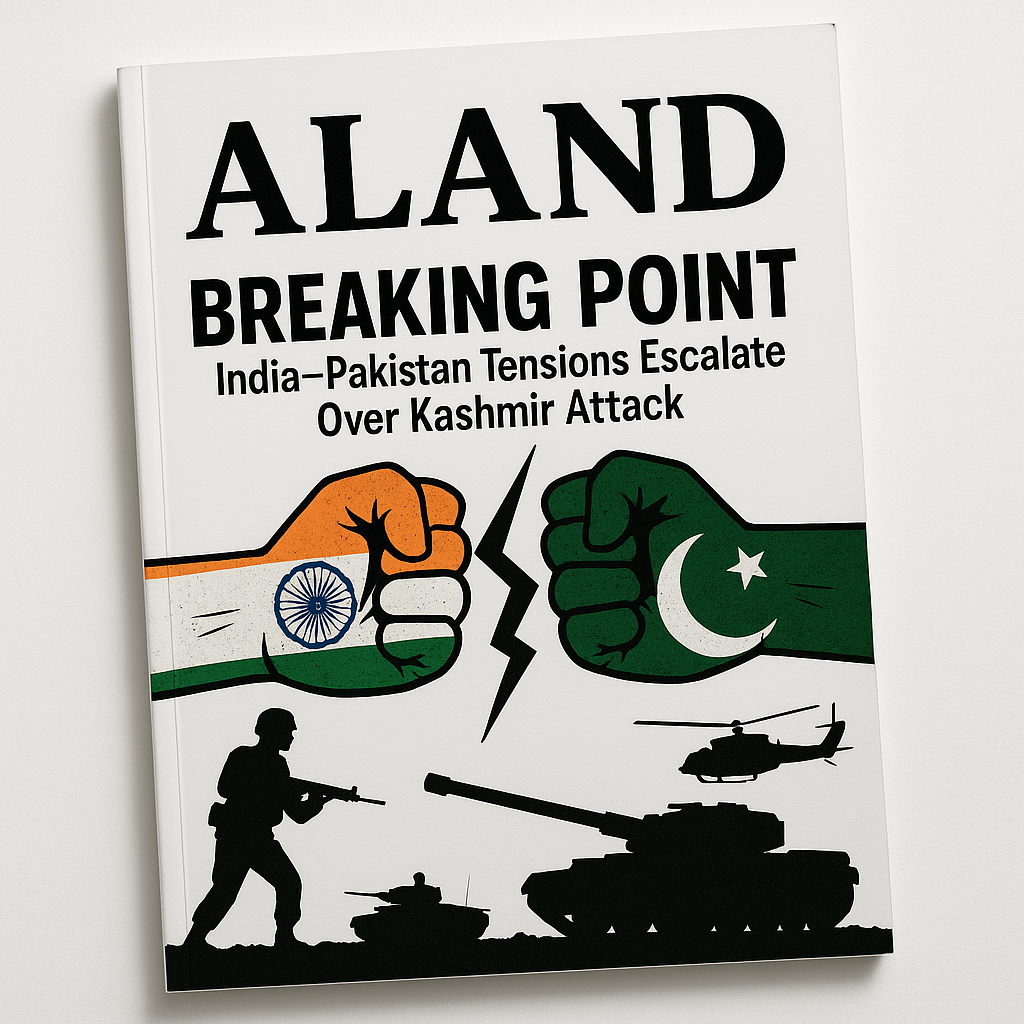
May 6, 2025 – Srinagar, India
The already volatile relationship between India and Pakistan has reached a dangerous tipping point after a deadly attack in Indian-administered Kashmir, killing 26 Hindu tourists. The attack, which occurred on April 22, has ignited a fierce exchange of accusations, diplomatic posturing, and military maneuvers between the two nuclear-armed nations. The incident is threatening to spiral into full-blown conflict.
A Tragic Catalyst: Kashmir's Fatal Tourist Attack
On April 22, a group of Hindu pilgrims was tragically targeted in Kashmir. The attack claimed the lives of 26 tourists and left India reeling. Authorities in New Delhi have directly accused Pakistan of supporting the assailants, a claim Islamabad has vehemently denied. This deadly event has rekindled simmering tensions over Kashmir, a region long disputed by both countries.
Missiles, Drills, and Diplomatic Stalemates
In the aftermath of the attack, the situation has only intensified. Pakistan, in a display of defiance, conducted missile tests within a span of three days. On May 5, Pakistan launched a 120-km range Fatah surface-to-surface missile, raising alarms in New Delhi. India has responded by ordering widespread security drills across several states, scheduled for May 7, in a bid to prepare for potential threats.
As both nations mobilize their military forces, fears of an all-out confrontation loom large. With closed airspace, halted trade, and the suspension of diplomatic exchanges, the region is on the edge of a military and economic disaster.
The Global Call for Calm: UN Pushes for Talks
The international community is watching closely. The United Nations Security Council convened urgently in response to the mounting crisis, calling for India and Pakistan to engage in dialogue. Islamabad, which requested the meeting, emphasized the "imminent threat" of Indian military action, while India insists that Pakistan is directly responsible for the attack.
UN Secretary-General Antonio Guterres has urged both nations to exercise restraint, highlighting the grave consequences of further escalation. However, the political deadlock persists, as both sides prepare for the worst.
Economic Fallout: Kashmir's Tourism Industry Crumbles
The attack and the ensuing military posturing are not just a matter of security—they are taking a severe toll on Kashmir's already fragile economy. The region, once known for its thriving tourism industry, is now grappling with a sharp decline in visitors. Hotels and houseboats in Indian-administered Kashmir have reported cancellations in the thousands. Operators, struggling to stay afloat, are slashing prices, but the damage to their businesses is likely to be long-term.
Pakistani tourism hotspots, like the Neelum Valley, are also facing significant losses, with the region’s popular destinations shut down in response to the escalating tensions. This economic downturn threatens to undo years of progress in Kashmir's tourism sector.
A Bleak Future for Peace: Iran’s Diplomatic Maneuvers
Amid the chaos, Iran’s foreign minister arrived in Islamabad for high-level talks, signaling a potential shift in regional diplomacy. Though the precise details of these visits remain unclear, they highlight the growing international concern over the Kashmir conflict. While Pakistan seeks to internationalize the issue, India remains steadfast in its refusal to allow third-party mediation, reiterating its position that Kashmir is a bilateral matter.
The World Holds Its Breath
With both nations at a standstill and military tensions high, the situation remains precarious. The international community continues to urge both India and Pakistan to pursue peaceful dialogue. However, given the historical animosities and the complex political landscape, a resolution remains elusive.
As May 6 draws to a close, the world watches anxiously, hoping for a de-escalation of tensions and a return to diplomacy before it’s too late.
Date: 6th May, 2025