Scaling Up: Moving from Small Deals to Multi-Million-Dollar Property Transactions
- Published Date: 26th Apr, 2025
-
5★ ★ ★ ★ ★(165)
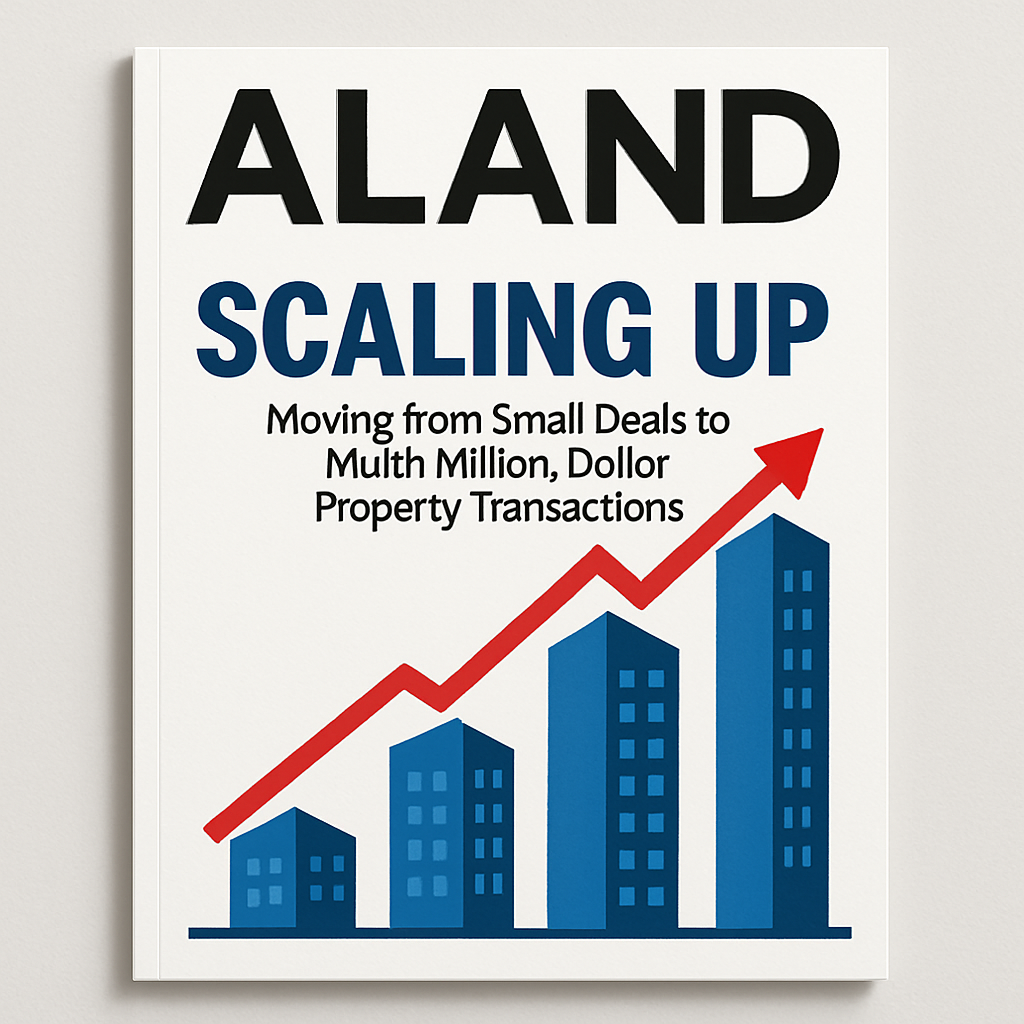
Transitioning from small real estate deals to multi-million-dollar property transactions requires a distinct approach—one that blends strategic vision with an understanding of global economics and market forces. At the core of this shift lies a heightened focus on leveraging emerging technologies, recognizing evolving market trends, and strategically positioning your brand in the eyes of both investors and consumers.
The Strategic Shift to Larger Deals
In my work with the ALand platform, I’ve closely studied market behaviors, uncovering key signals of market readiness for larger investments. These signals include political stability, foreign investment trends, local economic health, and regulatory frameworks that make large deals feasible. Additionally, the demand for luxury properties and large commercial developments is increasingly driven by investors looking for sustainable, high-yield assets, often placing value on long-term market resilience over short-term profits.
Maximizing Investor Confidence
Real estate transactions, particularly those involving high-net-worth individuals (HNWIs), are deeply influenced by a brand's ability to embody a sense of purpose beyond profit. A recent trend shows that HNWIs are increasingly inclined to invest in properties that align with their values, particularly around sustainability and ethical business practices. By engaging in cause-related campaigns, real estate companies not only improve their image but also deepen investor trust, drive customer engagement, and enhance their market positioning.
Economic Implications of Cause-Related Marketing
Furthermore, with cryptocurrency innovations like EE Gold gaining traction, tokenization in real estate is opening up new avenues for property transactions. Tokenized real estate, backed by assets like EE Gold, allows for fractional ownership and provides more liquidity in what is typically an illiquid market. This presents a novel way to scale property investments while catering to a younger generation of investors interested in digital assets and blockchain technology.
Actionable Steps for Scaling Up
-
Leverage Market Trends: Focus on regions where there is growing demand and low risk, particularly those benefitting from government-backed infrastructure projects or international investment.
-
Build a Strong Brand Identity: Engage in cause-related campaigns that resonate with your target audience. Build trust by demonstrating a commitment to sustainability or social causes that align with your brand's values.
-
Diversify Investment Tools: Embrace tokenization and blockchain technology to open up new pathways for investment, particularly among younger investors seeking liquidity and global access to real estate.
-
Use Digital Marketing Tools: Use platforms like ALand to create tailored marketing strategies for attracting high-net-worth clients. AI-driven tools can refine your messaging and ensure your brand stands out in a competitive market.
-
Focus on Client Relationships: Nurture relationships with key stakeholders, including investors, policymakers, and property developers, to build long-term business partnerships that can facilitate larger transactions.
For more insights, explore resources on the ALand platform and stay updated with news on digital innovations and economic transformations via The ALand Times. Additionally, explore how digital currencies like EE Gold are reshaping markets and investment opportunities on EE Gold’s platform.
FAQ's
What macroeconomic signals should investors look for before entering larger property markets?
How does global political stability influence real estate transactions?
What role does sustainability play in large-scale real estate deals?
How does blockchain and tokenization affect real estate transactions?
What are the risks of scaling up to multi-million-dollar property transactions?
Can digital marketing tools help in scaling property transactions?
How does cause-related marketing enhance brand loyalty?
What’s the impact of global alliances on real estate investment?