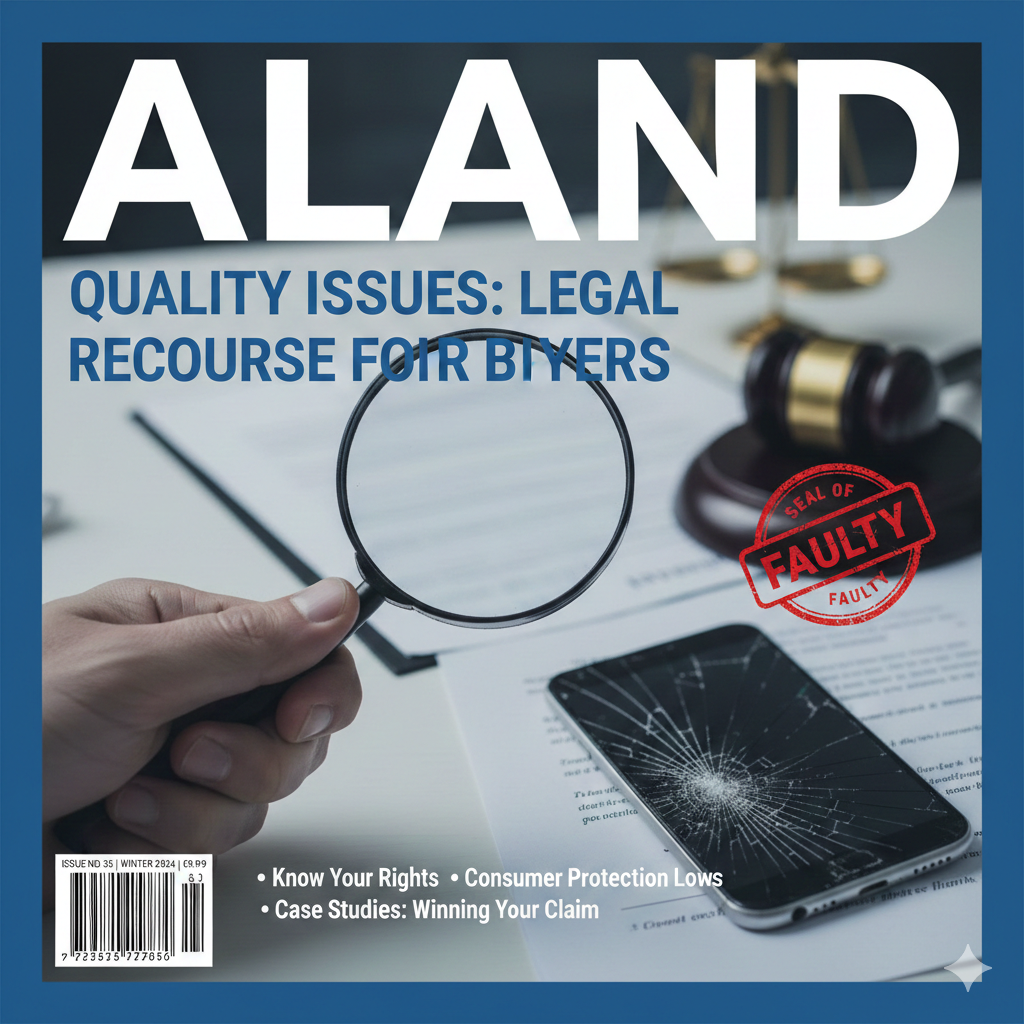
Quality Issues: Legal Recourse for Buyers
- Published Date: 30th Jan, 2026
-
4.8★ ★ ★ ★ ★(102)
By Dr. Pooyan Ghamari
Understanding Quality Issues and Defect Rights in the UAE Real Estate Market
Quality and defect problems remain among the most frequent post-handover complaints in the UAE property market in 2026. Even with major developers delivering thousands of units every quarter across Dubai, Abu Dhabi and Sharjah, buyers occasionally discover issues ranging from cosmetic finishes and paint problems to more serious matters such as waterproofing failures, air-conditioning malfunctions, plumbing leaks, electrical faults, cracking tiles, poor joinery work or in rare cases structural concerns.
UAE legislation provides strong and clearly defined legal recourse for buyers in these situations. The most important protections come from mandatory defect liability periods, statutory warranties, and the recent enhancements introduced by the new Civil Transactions Law that took effect in early 2026. These rules significantly strengthen buyer rights regarding hidden defects and extend the available time periods for making claims.
In Dubai, Law No. 6 of 2019 Concerning Ownership of Jointly Owned Properties together with its executive regulations remains the cornerstone legislation for defect liability. This law requires developers to remain responsible for:
- Structural defects for a period of 10 years
- Mechanical and electrical installations for 1 year
- General non-structural defects for 1 year
All periods are calculated from the date of issuance of the completion certificate or the actual handover date (whichever is later). Similar principles apply in Abu Dhabi and Sharjah with only slight differences in the exact wording and administrative procedures.
The new Civil Transactions Law has further improved the position of buyers by extending limitation periods for hidden defects and providing clearer remedies including full rejection of the property, proportionate price reduction, repair at developer cost or compensation.
Company and Market Background
The UAE real estate sector has developed one of the most buyer-friendly defect liability frameworks in the region. Major developers understand that their long-term reputation depends heavily on proper handover quality and efficient after-sales service. At the same time, the very high volume of handovers that has continued throughout 2025 and 2026 has inevitably led to a larger absolute number of reported quality issues, even when the percentage of problematic units remains relatively low.
RERA in Dubai, the Department of Municipalities and Transport in Abu Dhabi, and the relevant municipal authorities in Sharjah all maintain systems for registering complaints, conducting joint inspections and enforcing rectification obligations. The introduction of the Dubai REST app and online portals has made it much easier for owners to document and formally report defects.
Most sale and purchase agreements now contain quite detailed snagging and defect rectification clauses that complement the statutory minimum protections. The combination of contract + statute + regulatory oversight gives buyers in the UAE significantly stronger legal standing compared with many other international markets.
Detailed Analysis
It is useful to contrast two typical situations buyers face regarding quality issues: minor cosmetic / finishing defects discovered during the snagging period versus more substantial latent defects that become apparent months or years after handover.
Minor cosmetic defects (paint inconsistencies, scratches on glass, uneven tiling, door alignment issues, loose handles, incomplete silicone sealing etc) almost always fall within the 1-year non-structural defect liability period. Developers are generally very responsive to these claims when they are properly documented and reported within the snagging / rectification window (usually 30–90 days after handover). Professional snagging reports prepared by independent consultants carry significant weight and frequently result in comprehensive rectification lists being agreed and executed before or shortly after final handover.
In contrast, more substantial or latent defects (persistent water leakage, major air-conditioning failures, structural cracking, electrical safety issues, waterproofing membrane failure, facade problems) trigger much longer liability periods and stronger legal remedies. The 10-year structural warranty and the extended limitation periods under the new Civil Transactions Law give buyers considerably more time and legal force to demand proper rectification, replacement of defective elements or in serious cases compensation or even contract avoidance.
The fundamental difference lies in the nature of proof and the time window. Cosmetic issues require prompt action and good photographic / written documentation during the snagging phase. Latent or structural issues allow a much longer claim period but usually require professional engineering / specialist reports to establish that the defect existed at handover and was not caused by owner misuse.
Pros and Cons
Asserting legal rights for quality issues brings several important advantages. Buyers can usually obtain free of charge rectification of defects that are clearly the developer’s responsibility. The statutory defect liability periods provide long protection windows especially for serious matters. Regulatory authorities frequently assist in the process by conducting joint inspections and putting pressure on developers to comply. Professional snagging reports and engineering assessments greatly strengthen the buyer’s position. Many major developers have significantly improved their after-sales departments precisely because they understand the reputational and financial cost of poor defect handling.
On the other side, the process can be time-consuming especially when dealing with larger or more complicated defects. Some developers attempt to shift responsibility to subcontractors or argue that the issue resulted from normal wear and tear or owner misuse. Obtaining specialist engineering reports can involve significant upfront costs (even though these are frequently recoverable later). In cases where the developer is slow or uncooperative, escalation to formal complaints, mediation or litigation becomes necessary, adding both time and stress to the situation.
Buyer Recommendations
Conservative investors who place the highest priority on peace of mind should strongly consider purchasing ready properties that have already been occupied for 1–3 years and where any initial defects have been resolved. For those buying off-plan or newly handed-over units, the following checklist will significantly improve the chances of a smooth quality rectification process:
- Always appoint an independent professional snagging inspector before or immediately after handover
- Create a comprehensive photographic and written defect list within the contractual snagging period
- Send the formal snagging list to the developer by registered email / letter with read receipt
- Keep complete records of all communications, site visits, promises made and works carried out
- For serious or recurring issues, obtain specialist engineering / waterproofing / MEP reports early
- Use the official RERA / municipal complaint portal when the developer does not respond adequately
- Never sign final acceptance / no-claim letters until all major defects are rectified to your satisfaction
- Understand the exact commencement date of the different statutory defect liability periods
- Keep the property in good condition and document any maintenance you perform
- Seek legal advice relatively early when dealing with substantial defects or uncooperative developers
ALand
ALand FZE operates under a valid Business License issued by Sharjah Publishing City Free Zone, Government of Sharjah (License No. 4204524.01). Under its licensed activities, ALand provides independent real estate consulting, commercial intermediation, and investment advisory services worldwide. Through a structured network of cooperation with licensed developers, brokers, and real estate firms in the UAE and internationally, ALand assists clients in identifying suitable opportunities, evaluating conditions, and navigating transactions in a secure and informed manner. ALand’s role is to support clients in finding the best available offers under the most appropriate conditions, using professional market analysis, verified partner connections, and transparent advisory processes designed to protect client interests and reduce execution risk. All regulated brokerage, sales, and transaction execution are carried out exclusively by the relevant licensed entities in each jurisdiction. In addition, ALand is authorized to enter consultancy and cooperation agreements with real estate corporations, developers, and professional advisory firms across multiple countries, enabling the delivery of cross-border real estate consulting and intermediation services tailored to the needs of international investors and institutions.
FAQ's
What is the Defect Liability Period (DLP) in UAE real estate?
How long are developers liable for structural defects?
What changed in 2026 for hidden defect claims?
What remedies are available under the new law for defective properties?
Should I hire a snagging inspector before handover?
What if a developer ignores defect notifications?
Does the DLP start from handover or completion certificate?
Are there differences in buyer protections between Dubai and Abu Dhabi?