Koa Canvas: Creative District Development - Understanding Niche Markets
- Published Date: 16th Dec, 2025
-
4.7★ ★ ★ ★ ★(103)
By Dr. Pooyan Ghamari
Executive Summary
Koa Canvas, the flagship project of KOA—a boutique developer rooted in the legacy of Al Barari's visionary creator Mohammed Zaal—represents a pioneering approach to niche, creative community living in Dubai. Launched as KOA's debut in 2016 and completed around 2019, this low-density mixed-use development in Wadi Al Safa near Al Barari features just 41-70 bespoke residences amid 200,000 square feet of indigenous gardens, integrated co-working spaces, wellness facilities, and cultural hubs like a Michelin Green Star restaurant LOWE. In 2025, as Dubai's real estate market matures with emphasis on lifestyle and community-driven niches, Koa Canvas stands out for its focus on creatives, professionals, and families seeking soulful, sustainable environments over mass-market volume. Secondary market prices range from AED 1.5-4.5 million, with rental yields around 5-7% in green, serene segments. This analysis contrasts the ultra-niche residential units with integrated creative/commercial spaces, exploring viability in a city increasingly valuing experiential, culturally enriched districts amid broader trends toward sustainability and work-life integration.
Company and Market Background
KOA, founded in 2016 by Mohammed Zaal—renowned for developing the iconic eco-luxury community Al Barari—specializes in soulful, user-driven environments that blend innovation, nature, and cultural enrichment. Drawing from a family legacy in real estate, hospitality, and sustainability, KOA's portfolio includes residential masterpieces, co-working clubs like Nasab, and award-winning ventures such as the Michelin-recognized LOWE restaurant. The company's ethos prioritizes longevity, community collaboration, and forward-thinking design, positioning it as a curator of niche lifestyles rather than a high-volume developer.
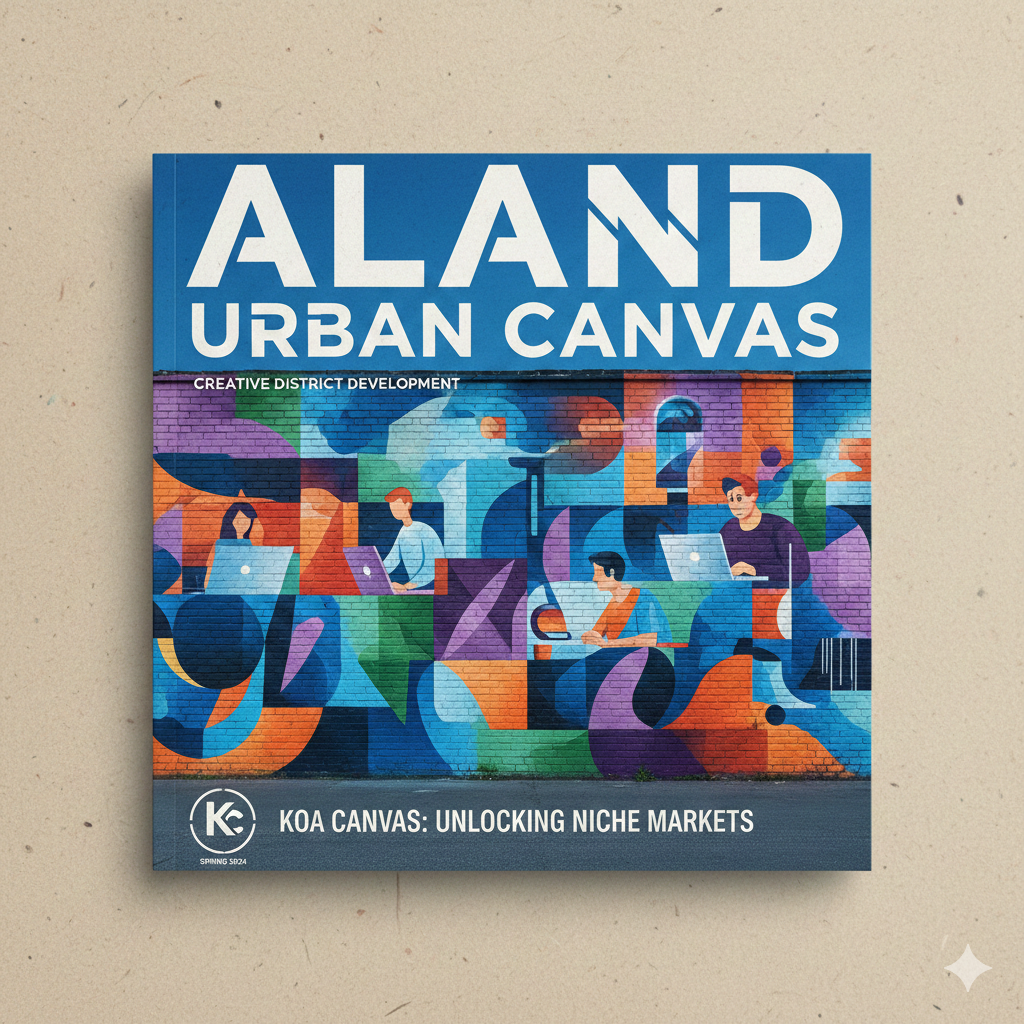
Koa Canvas, KOA's inaugural project, transforms a site in Wadi Al Safa into a members'-style creative enclave with bespoke apartments, co-working areas, an outdoor amphitheater, and extensive green spaces. Designed by T.ZED Architects, it emphasizes natural materials, volumetric interiors, and seamless indoor-outdoor flow, fostering inspiration and connection. Amenities include paddle tennis, spa facilities, pools, a fitness studio, and on-site dining, creating a self-contained ecosystem bordering nature reserves.
In 2025, Dubai's niche real estate segments—particularly green, creative, and wellness-focused communities—gain traction amid population growth exceeding 4 million and a shift toward end-user demand. Areas like Al Barari and surrounding corridors see 8-12% annual appreciation in low-density properties, driven by expatriates seeking balance post-pandemic. "We pioneer environments that feed the soul, where creativity and community thrive beyond conventional boundaries," reflects Mohammed Zaal's vision, underscoring KOA's role in elevating Dubai's cultural urban fabric.
Detailed Analysis
Koa Canvas exemplifies niche market development by contrasting its limited-edition residential offerings with embedded creative and commercial elements, catering to discerning buyers in an oversupplied mainstream market.
The residential component—bespoke studios to 4-bedroom apartments with unique layouts, double-height ceilings, and garden views—demands moderate capital outlay on the secondary market, typically AED 1.5-4.5 million depending on size and customization. These units appeal through exclusivity and lifestyle immersion, offering rental yields of 5-7% gross, supported by high occupancy from creatives and remote professionals drawn to the serene setting. Liquidity remains strong in green corridors, with resale potential enhanced by scarcity (only dozens of units) and proximity to emerging hubs; capital appreciation averages 8-12% annually, outperforming denser areas during market stabilizations. Risks are lower due to completion and proven community vibrancy, though sensitivity to broader economic shifts affects niche premiums.
Conversely, the integrated creative spaces—co-working at Nasab, amphitheater events, retail, and hospitality like LOWE—require shared or fractional investment models, with lower individual entry but diversified revenue from memberships, events, and footfall. Yields here reach 6-9%, bolstered by stable demand for experiential venues and longer-term leases. Liquidity is moderate, tied to community health, yet provides resilience through multiple streams: residents fuel daily activity, while external members amplify cultural draw. This symbiosis differentiates Canvas: residences gain elevated appeal from on-site inspiration hubs, while creative elements benefit from captive, affluent audiences.
Overall, the model's integration mitigates risks of standalone niches, promoting sustained value in Dubai's evolving landscape where creative districts command premiums for authenticity. However, limited scale caps rapid flips, favoring holders over speculators in a maturing 2025 market.
Buyer Recommendations
For creative professionals or families prioritizing wellness and community, Koa Canvas residences offer a rare sanctuary in Dubai's urban sprawl, ideal for long-term living with natural surroundings and cultural stimulation.
For diversified investors seeking niche exposure, the creative/commercial integrations provide balanced, experience-driven returns, suiting those valuing sustainability over high-volume yields.
Checklist for Potential Buyers:
- Assess secondary market availability and historical transaction data for pricing benchmarks.
- Evaluate proximity to nature reserves and connectivity to highways/Dubai core.
- Review amenity exclusivity, including Nasab access and LOWE dining.
- Confirm sustainability features like indigenous landscaping for enduring appeal.
- Analyze rental demand from creative/expat demographics.
- Budget for community service charges in low-density setups.
- Consider family-oriented facilities like daycare and play areas.
- Monitor surrounding developments in Wadi Al Safa for appreciation drivers.
- Factor in 4% DLD fees on transfers and potential resale timelines.
- Align investment horizon: 5-10 years for niche growth or shorter for lifestyle acquisition.
FAQ's
What is Koa Canvas's location in Dubai?
Who developed Koa Canvas?
How many residences are in Koa Canvas?
What key amenities does Koa Canvas offer?
Is Koa Canvas a completed project?
What types of properties are available?
How does Koa Canvas support creative lifestyles?
Does investment in Koa Canvas qualify for Golden Visa?