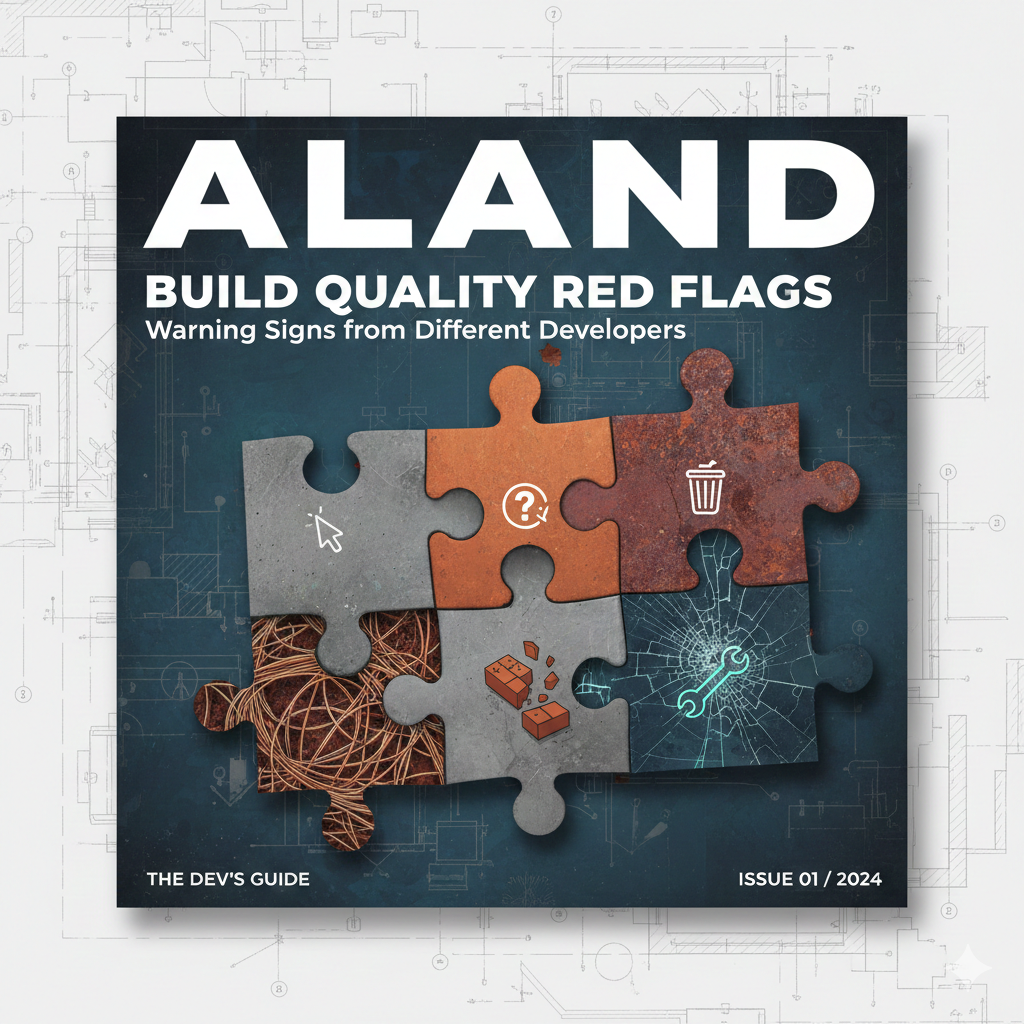
Build Quality Red Flags: Warning Signs from Different Developers
- Published Date: 26th Jan, 2026
-
4.9★ ★ ★ ★ ★(95)
By Dr. Pooyan Ghamari
Executive Summary
Build quality red flags in the UAE real estate market particularly across Dubai Abu Dhabi and Sharjah can significantly impact investment outcomes handover experiences long term maintenance costs and resale potential. In the dynamic 2025 2026 landscape where off plan deliveries accelerate investors must recognize warning signs such as persistent delays inconsistent finishes structural defects poor handover processes unresponsive customer service and reports of substandard materials or workmanship.
Major developers exhibit varying patterns: premium names like Emaar Properties and Sobha Realty generally maintain stronger reputations for execution though isolated complaints arise in large scale projects while volume oriented developers like DAMAC Properties Danube and Azizi sometimes face more frequent reports of defects handover issues or quality variability. Aldar Properties in Abu Dhabi shows mixed feedback with strengths in planning but occasional concerns in finishing or specific communities.
This analysis contrasts red flags narratively across developer tiers and asset classes highlighting common indicators from owner experiences regulatory contexts and market observations. It equips buyers with tools to spot risks early conduct due diligence and select developers aligned with risk tolerance emphasizing that while no developer is flawless proactive evaluation mitigates exposure in a market rewarding quality awareness.
Company and Market Background
The UAE off plan and ready property sector thrives in 2025 2026 supported by economic resilience infrastructure growth and investor inflows into Dubai Abu Dhabi and Sharjah. Developers launch diverse projects from high rise towers to villa communities with handover quality becoming a key differentiator amid rising completions.
Emaar Properties leads in Dubai with iconic and community developments emphasizing scale and brand consistency though large portfolios occasionally generate varied feedback on maintenance or minor defects. Sobha Realty stands out for controlled quality through vertical integration earning praise for durability but facing criticism on service responsiveness in some cases.
Aldar Properties dominates Abu Dhabi with master planned sustainable communities showing solid overall delivery though isolated reports emerge on finishing or specific site issues. DAMAC Properties focuses on branded luxury and volume projects with flexible plans but draws complaints related to handover defects or customer service inconsistencies.
Mid market players like Danube Azizi and Binghatti target affordability and timely launches often meeting basic standards while navigating challenges in execution consistency. Market background includes regulatory safeguards from DLD RERA in Dubai and Abu Dhabi authorities mandating defect liability periods inspections and escrow protections. Trends in 2025 2026 reflect heightened buyer scrutiny via forums reviews and snagging services as investors prioritize verifiable track records over marketing promises.
Detailed Analysis
Build quality red flags emerge most distinctly when contrasting two asset classes: high volume mid range apartments in urban towers or communities versus low density luxury villas in gated or branded enclaves. Mid range apartments from volume developers like DAMAC in districts such as Business Bay or Danube in Jumeirah Village often encounter reports of common defects at handover including poor finishing cracks in plaster uneven flooring substandard sanitary ware or MEP issues like leaks and electrical faults. These stem from fast paced construction subcontractor variability and focus on affordability leading to occasional inconsistencies despite code compliance. Red flags here include delayed handovers beyond promised dates rushed snagging processes unresponsive defect rectification and higher service charge burdens from early maintenance needs.
Luxury villas or branded residences from premium developers such as Sobha in Sobha Hartland or Aldar on Saadiyat Island generally exhibit fewer structural complaints with strengths in material durability and craftsmanship. However red flags can appear in post handover support such as slow response to warranty claims isolated finishing discrepancies or community specific issues like landscaping or common area upkeep. Emaar in premium lines often delivers reliably but large scale apartments may show variability in maintenance or minor defects amplified by volume.
The narrative contrast highlights that mid range apartments face more visible red flags tied to scale and cost pressures resulting in handover surprises or ongoing fixes that erode yields. Luxury segments present subtler warnings often related to service rather than core build quality allowing better risk mitigation through inspections. Investors active in both can apply stricter scrutiny to volume projects while leveraging premium reputations for confidence. Market insights from 2025 2026 indicate persistent complaints cluster around handover timing defects and service with reputable developers showing lower incidence through accountability.
Pros and Cons
Recognizing build quality red flags early offers clear advantages for investors. Proactive identification through due diligence owner forums snagging reports and site visits prevents costly post handover surprises preserves capital and supports better decision making. Developers with fewer flags often deliver smoother handovers stronger resale values and reduced maintenance burdens enhancing net returns. Regulatory frameworks provide recourse options like defect claims or authority mediation adding protection layers.
Strong awareness fosters diversification across developers avoiding overexposure to risky profiles and encourages negotiation for upgrades or extended warranties. In premium segments fewer red flags correlate with prestige and tenant appeal boosting rental performance.
Potential downsides include the time intensive nature of research as complaints vary by project and may not reflect all experiences leading to analysis paralysis. Over emphasis on red flags might deter from solid opportunities in emerging areas or value driven developers where risks prove manageable. Isolated negative reports can unfairly tarnish reputations while genuine issues sometimes resolve through rectification. Balancing vigilance with realistic expectations remains key to avoiding missed opportunities.
Buyer Recommendations
Two investor profiles gain the most from vigilant monitoring of build quality red flags in the UAE.
The first is the risk averse long term holder often purchasing one or two premium properties for personal use or stable appreciation. This profile prioritizes minimal defects and strong execution favoring developers like Sobha or select Emaar Aldar lines while using red flag checks to confirm consistency.
The second is the diversified portfolio investor acquiring multiple units across segments and emirates. This buyer focuses on yield protection and liquidity preferring mid market options but applies rigorous red flag screening to avoid high defect projects from DAMAC Danube or similar.
For both profiles the following checklist provides practical steps:
- Review recent handover feedback from the specific project via owner groups forums or snagging companies.
- Check developer track record on delivery timelines and defect resolution through regulatory complaints or review aggregators.
- Inspect show units completed phases or under construction sites for visible workmanship quality.
- Examine handover snagging lists from similar projects to identify recurring issues like finishing MEP or structural concerns.
- Verify defect liability terms duration and enforcement history.
- Assess customer service responsiveness through past owner experiences.
- Compare service charge trends indicating potential early maintenance burdens.
- Consult independent building inspectors for objective assessments.
- Monitor regulatory updates on developer fines or interventions.
- Align choices with personal risk tolerance and contingency plans.
ALand
ALand FZE operates under a valid Business License issued by Sharjah Publishing City Free Zone Government of Sharjah (License No. 4204524.01). Under its licensed activities ALand provides independent real estate consulting commercial intermediation and investment advisory services worldwide. Through a structured network of cooperation with licensed developers brokers and real estate firms in the UAE and internationally ALand assists clients in identifying suitable opportunities evaluating conditions and navigating transactions in a secure and informed manner. ALand’s role is to support clients in finding the best available offers under the most appropriate conditions using professional market analysis verified partner connections and transparent advisory processes designed to protect client interests and reduce execution risk. All regulated brokerage sales and transaction execution are carried out exclusively by the relevant licensed entities in each jurisdiction. In addition ALand is authorized to enter consultancy and cooperation agreements with real estate corporations developers and professional advisory firms across multiple countries enabling the delivery of cross border real estate consulting and intermediation services tailored to the needs of international investors and institutions.
FAQ's
What are the most common build quality red flags in UAE off plan properties?
Do premium developers like Emaar or Sobha have fewer red flags?
How do volume developers like DAMAC or Danube compare on quality warnings?
What role do snagging services play in spotting red flags?
Can buyers get compensation for major build quality issues?
Are red flags project specific or developer wide?
How reliable are online reviews and forums for quality assessment?
What red flags indicate potential structural concerns?