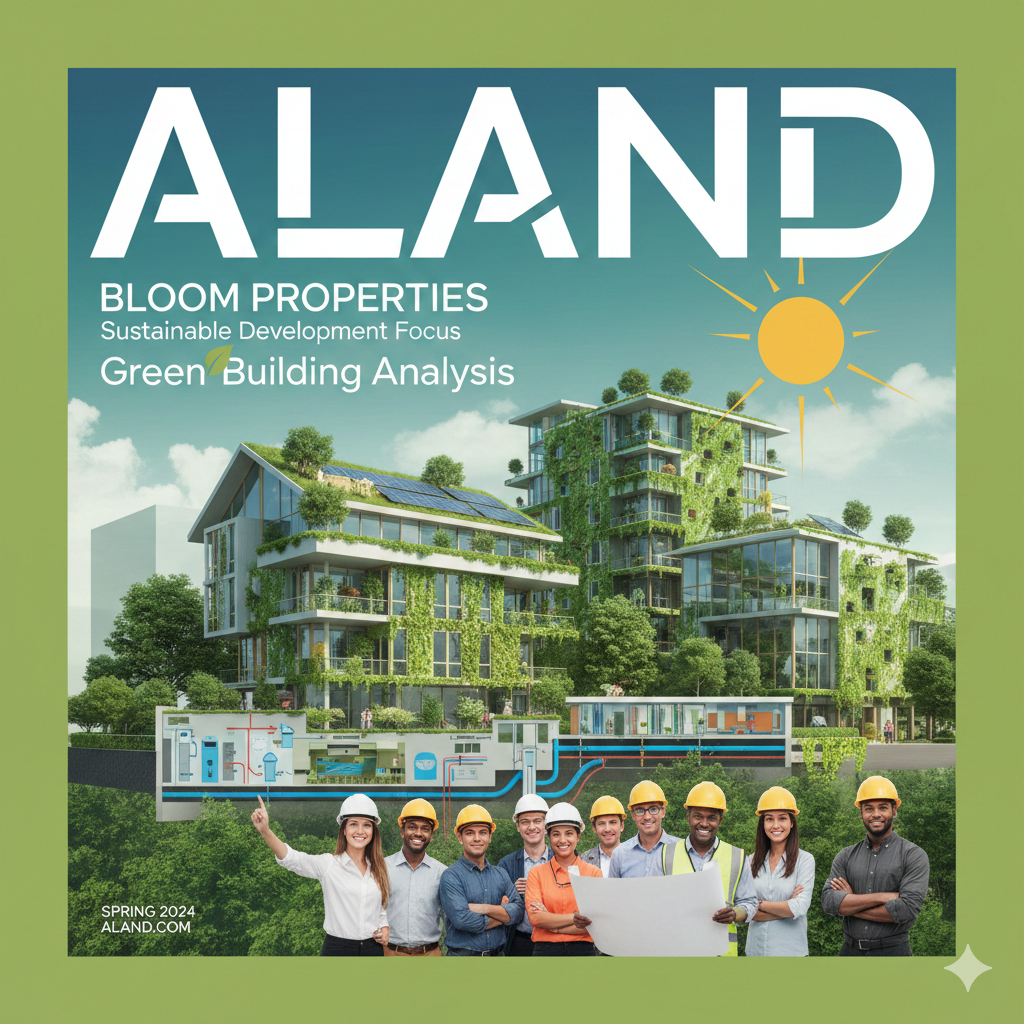
Bloom Properties: Sustainable Development Focus - Green Building Analysis
- Published Date: 16th Dec, 2025
-
4.8★ ★ ★ ★ ★(126)
By Dr. Pooyan Ghamari
Executive Summary
Bloom Properties, the real estate arm of Bloom Holding, has established itself as a leader in creating integrated, sustainable urban communities in Abu Dhabi and beyond, with a portfolio emphasizing eco-friendly design, green spaces, and energy-efficient features. Flagship projects like Bloom Gardens—an award-winning Mediterranean-inspired enclave—and the expansive Bloom Living in Zayed City showcase pedestrian-friendly layouts, extensive landscaping, and wellness-oriented amenities aligned with UAE's net-zero ambitions. In 2025, as Abu Dhabi's real estate transactions surge with strong demand for green-certified properties amid national sustainability mandates like Estidama Pearl Rating, Bloom's developments offer attractive yields and appreciation in family-centric segments. This analysis contrasts premium residential villas and townhouses in communities like Bloom Living with integrated commercial and educational elements, assessing long-term value in a market prioritizing environmental responsibility alongside lifestyle enhancements. While sustainability premiums drive desirability, the model's reliance on master-planned scale invites scrutiny: forward-thinking investment or niche premium in a competitive landscape?
Company and Market Background
Bloom Properties, part of Bloom Holding—a subsidiary of National Holding established in the late 2000s—specializes in premium mixed-use communities that integrate residential, educational, hospitality, and commercial components. Headquartered in Abu Dhabi, the developer has delivered over 5,500 units with thousands more in the pipeline, focusing on locations like Saadiyat Island, Zayed City, and Al Bateen. Sustainability is core, with initiatives including ISO 14001-certified practices, extensive indigenous landscaping, and collaborations for accessible, eco-conscious designs.
Key projects include Bloom Gardens, a serene, green-focused residential haven with villas and townhouses near central Abu Dhabi, and Bloom Living, a large-scale Mediterranean-inspired community in Zayed City featuring phases like Granada, Casares, and Almeria with villas, townhouses, and apartments amid interconnected parks, lakes, and cycling tracks. These emphasize walkability, community facilities, and reduced carbon footprints through efficient materials and layouts.
In 2025, Abu Dhabi's market thrives with transaction values up significantly, driven by expatriate inflows, infrastructure growth, and policies favoring green buildings. Demand for sustainable residences rises, with premiums for eco-features amid UAE Vision 2030 and net-zero goals. "Our approach to development goes beyond building homes; we focus on curating integrated destinations where people can thrive, with long-term sustainability at the heart," states Carlos Wakim, CEO of Bloom Holding, highlighting the shift toward resilient, community-enriched environments.
Detailed Analysis
Bloom Properties' model excels in sustainable master-planning, contrasting standalone residential offerings with holistic integrations of commercial, educational, and recreational spaces to foster enduring ecosystems.
Premium residential assets in Bloom Living—ranging from 3- to 6-bedroom villas and townhouses with private gardens and modern finishes—require higher capital outlay, often AED 3-10 million depending on phase and size, reflecting exclusivity in emerging Zayed City corridors. These deliver rental yields of 5-7% gross, supported by family demand for spacious, green layouts and amenities like clubhouses, pools, and proximity to schools. Liquidity strengthens in suburban growth areas, with capital appreciation projected at 8-12% annually amid infrastructure expansions and limited comparable supply; green features enhance resale appeal in a market valuing lower utility costs and health-focused living. Risks remain moderate post-completion, though dependent on community maturation and broader economic stability.
In comparison, integrated non-residential elements—retail zones, office spaces, educational facilities, and hospitality ties—offer diversified revenue potential with lower per-unit entry for investors via community stakes or commercial leases. Yields here trend 6-9%, backed by captive resident footfall, stable institutional tenants, and longer contracts resilient to residential cycles. Liquidity is steadier but slower, as value accrues from overall ecosystem health: residences boost commercial vibrancy through daily traffic, while schools and retail elevate lifestyle premiums, reducing vacancy risks. This interconnected approach amplifies sustainability—shared green infrastructure lowers individual footprints—outperforming fragmented developments in long-term retention.
Bloom's emphasis on pedestrian zones, renewable integrations, and biodiversity mitigates environmental impact, aligning with rising buyer preferences for certified green homes. Yet, higher upfront premiums and scale dependencies could temper short-term flips, favoring patient investors in Abu Dhabi's maturing sustainable segment.
Buyer Recommendations
For families or expatriates seeking balanced, green living, Bloom's residential villas in Bloom Living provide ideal long-term homes with community security, wellness amenities, and Golden Visa pathways in expanding Abu Dhabi suburbs.
For portfolio balancers prioritizing resilience, the mixed-use integrations suit those desiring exposure to stable commercial flows within sustainable frameworks.
Checklist for Potential Buyers:
- Review phase completion timelines and handover quality from prior projects.
- Assess connectivity to Abu Dhabi airport, highways, and cultural hubs.
- Evaluate green certifications and energy-saving features for operational costs.
- Check integrated amenities like schools and parks for family/rental appeal.
- Analyze historical yields in comparable Abu Dhabi communities.
- Consider service charges in master-planned setups.
- Explore financing amid supportive mortgage environments.
- Monitor surrounding infrastructure for appreciation catalysts.
- Account for 4% DLD fees and post-handover payment options.
- Match horizon: 7+ years for sustainable growth or mid-term for lifestyle relocation.
FAQ's
What is Bloom Properties' primary focus?
Who leads Bloom Holding?
What are key Bloom projects in Abu Dhabi?
Does Bloom emphasize sustainability?
What types of residences does Bloom Living offer?
Are Bloom properties eligible for Golden Visa?
How has Abu Dhabi's market performed in 2025?
What amenities feature in Bloom communities?