Adaptive Reuse Projects: How Property Conversions Attract Major Investment Funds
- Published Date: 20th Apr, 2025
-
5★ ★ ★ ★ ★(165)
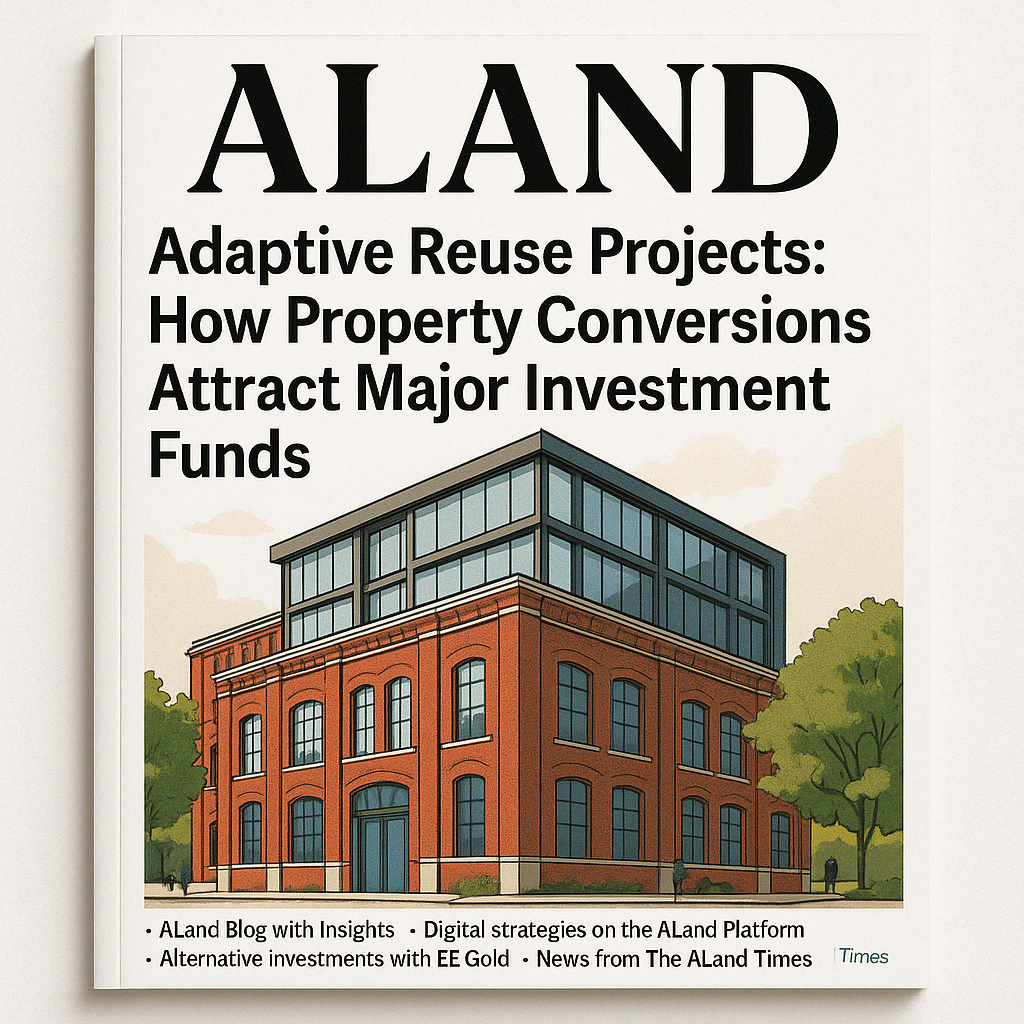
In the world of real estate development, adaptive reuse projects have emerged as a transformative force in both urban and suburban landscapes. By converting outdated or underutilized buildings into modern spaces that meet current market demands, adaptive reuse not only contributes to sustainability but also attracts significant investments from major funds. This practice has seen a surge in popularity, particularly in metropolitan areas where space is limited, and the need for innovative real estate solutions is greater than ever.
1. The Economic Appeal of Adaptive Reuse Projects
Adaptive reuse projects are often seen as a win-win in real estate investment: they breathe new life into old structures while offering a more sustainable, cost-effective alternative to new construction. These projects are especially appealing in areas with high land values and limited space, such as New York, London, and Dubai. Rather than tearing down existing structures, developers focus on refurbishing and repurposing them to fit modern demands. For example, old warehouses, factories, or office buildings are transformed into mixed-use developments, luxury residences, or creative workspaces.
From an economic standpoint, adaptive reuse can reduce the financial risks associated with new construction projects. Land acquisition and construction costs can be significantly higher than repurposing existing structures. Furthermore, there are often incentives such as tax breaks and subsidies offered by governments to encourage the reuse of older buildings, adding an additional layer of financial benefit for investors.
2. The Role of Sustainability in Attracting Investment
Sustainability has become a cornerstone of modern real estate development. As environmental concerns grow, developers and investors are prioritizing green building practices. Adaptive reuse projects align perfectly with this ethos, as they significantly reduce the environmental impact associated with demolition and the use of new raw materials. By recycling existing structures, these projects contribute to lowering carbon footprints, conserving resources, and preserving the architectural heritage of cities.
Investors are keen on backing sustainable projects, as they offer long-term profitability by appealing to a growing consumer base that values eco-conscious living. Moreover, many investors now consider environmental, social, and governance (ESG) factors when making investment decisions. Adaptive reuse aligns with ESG goals by promoting responsible resource management and sustainable development practices.
3. Major Investment Funds Eyeing Adaptive Reuse
Adaptive reuse has captured the attention of institutional investors and major real estate funds. Large-scale investment firms are increasingly focused on repurposing properties as part of their broader portfolios. These projects offer a compelling return on investment, with lower upfront costs and higher potential for long-term gains due to rising demand for eco-friendly, urban living spaces.
Notable investment firms such as Blackstone and Brookfield have capitalized on adaptive reuse in their commercial real estate ventures. By investing in high-potential buildings in prime urban areas, they not only preserve the character of a city but also unlock substantial value through strategic repurposing. These properties often command premium rents due to their unique appeal, attracting a mix of residential, commercial, and retail tenants.
4. How Adaptive Reuse Fits into Urban Regeneration Strategies
Urban regeneration is a key trend in real estate development, particularly in cities undergoing revitalization. Adaptive reuse plays a pivotal role in these strategies, as it encourages the renewal of aging districts while preserving historical and cultural landmarks. These projects contribute to the regeneration of urban spaces, creating vibrant communities and boosting local economies.
Cities like Paris, Berlin, and Barcelona have embraced adaptive reuse as a way to reinvigorate their urban centers. In some cases, entire districts have been transformed through the repurposing of industrial buildings and warehouses, attracting new businesses, residents, and tourists alike.
5. Risks and Considerations for Investors
While adaptive reuse offers numerous benefits, it’s not without its challenges. The biggest risk often lies in the unexpected costs associated with repurposing old buildings. These include hidden structural issues, the need for extensive renovations, and compliance with modern building codes. Investors must thoroughly assess the feasibility of each project before proceeding, working with architects, contractors, and local authorities to ensure the project is viable and aligns with regulatory requirements.
Additionally, adaptive reuse projects can take longer to complete than new constructions due to the complexities involved in updating old buildings. As a result, investors must be prepared for extended timelines and potential delays.
6. Key Considerations for Successful Adaptive Reuse Projects
For adaptive reuse to succeed, it’s essential for developers and investors to consider several key factors:
-
Location: Prime locations with high demand for mixed-use developments or residential properties are ideal for adaptive reuse projects.
-
Building Condition: Ensuring that the existing structure is sound and suitable for conversion is critical to the project’s success.
-
Market Demand: Developers should research market trends to ensure the repurposed space will meet the needs of potential tenants or buyers.
-
Design and Functionality: The building must be reimagined in a way that blends its historical charm with modern functionality. Balancing aesthetics with practicality is essential for attracting high-quality tenants.
Explore more about how adaptive reuse projects are shaping the future of real estate. Dive into further resources by visiting ALand's Blog, where you can discover key insights on real estate trends, ALand Platform for digital tools and strategies, and EE Gold for alternative investment options. Stay informed with The ALand Times for the latest news in economics, market insights, and more.
FAQ's
What is adaptive reuse in real estate?
What are the financial advantages of adaptive reuse?
How does adaptive reuse contribute to sustainability?
What types of properties are suitable for adaptive reuse?
What are the risks associated with adaptive reuse projects?
Why are investors interested in adaptive reuse projects?
How do adaptive reuse projects impact urban regeneration?
Are adaptive reuse projects profitable?